Defense News Digest: June 2026 Update
Add bookmark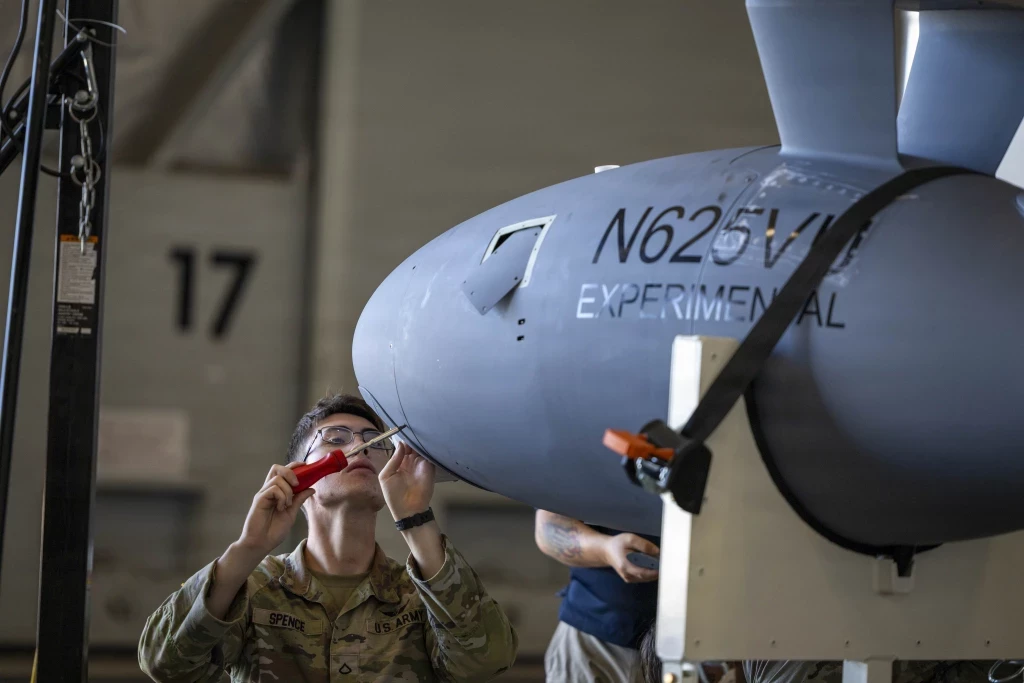
Welcome to IDGA's monthly news roundup. For over two decades, IDGA has organized conferences designed to further the national security objectives of the current administration and to facilitate the acquisition priorities of the DoW, DHS, and other federal agencies. Now, through this weekly series, we look to educate the community on the latest research, program updates and news in the defense and government sector.
This month we look at four stories you might have missed, including TRANSCOM exploring a new solution to transport personnel, the Army's new Low-Cost Interceptor (LCI) program, and more.
Changes to U.S. Foreign Military Sales Process Expected Later This Year
The Pentagon is expected to begin implementing reforms to the U.S. Foreign Military Sales (FMS) process later this year as part of the Trump administration's America First Arms Transfer Strategy. Michael Cadenazzi, Assistant Secretary of Defense for Industrial Base Policy, said the department has completed its initial assigned tasks but emphasized that the overhaul will be phased in over several years rather than through a single sweeping change. Planned reforms include the creation of a prioritized catalog of U.S. defense systems for allies and partners, a centralized tracking system for foreign military sales cases, and initiatives to identify and address production bottlenecks that delay deliveries.
The effort follows a February executive order directing the Defense, State, and Commerce departments to modernize the arms transfer process while prioritizing partners that invest more heavily in their own defense. The reforms come as several U.S. allies, particularly in Europe, have expressed concerns over lengthy delivery timelines and production delays, prompting some nations to consider purchasing defense systems from alternative suppliers.
TRANSCOM Explores Autonomous Drone Boats for Future Military Logistics
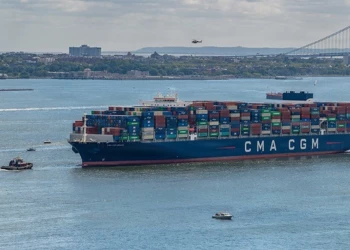
U.S. Transportation Command (TRANSCOM) is seeking industry and academic partners to evaluate the use of Maritime Autonomous Surface Ships (MASS) for transporting military personnel and cargo through new Cooperative Research and Development Agreements (CRADAs).
White papers are due by July 6, with selected participants collaborating on two-year studies examining the operational, technical, and economic viability of autonomous and remotely operated drone boats. Research will explore applications ranging from contested logistics and sealift operations to port security, infrastructure protection, and inland, coastal, and open-ocean transportation. The effort aligns with broader Department of Defense priorities to strengthen contested logistics and follows congressional direction to expand sealift capacity while leveraging commercial autonomous technologies.
Although the CRADAs do not include direct funding, TRANSCOM will provide access to government facilities, subject matter experts, and operational data. The initiative reflects the military's growing interest in integrating autonomous maritime systems into future logistics networks to improve resilience, flexibility, and sustainment in increasingly contested environments.
Air Force Awards First Collaborative Combat Aircraft Production Contracts
The U.S. Air Force has awarded initial production contracts to Anduril and General Atomics to build its first Collaborative Combat Aircraft (CCA), marking a major milestone in the service's effort to field autonomous drone wingmen alongside crewed fighters.
The contracts cover the first three production lots, supporting the Air Force's goal of procuring more than 150 CCAs by the end of the decade. In parallel, the Air Force launched a competitive process to develop the aircraft's autonomy software, awarding baseline contracts to six companies and selecting Anduril, Shield AI, and RTX Collins for the next phase of software development. The service plans to evaluate their performance over the next year before making a final software selection in 2027. The program also reinforces the Air Force's commitment to open systems architecture through its government-owned Autonomy Government Reference Architecture (A-GRA), enabling hardware and software from different vendors to operate together.
Additional competitions remain underway for the CCA Increment 2 program, which will define the next generation of autonomous combat aircraft.

Army Launches Low-Cost Interceptor Program to Counter Drone Threats
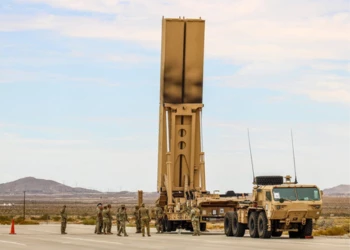
The U.S. Army has officially launched its Low-Cost Interceptor (LCI) program to develop affordable, scalable air defense interceptors capable of defeating low-cost drone threats without relying exclusively on multimillion-dollar missile systems. Army Secretary Dan Driscoll said the new interceptors are intended to complement—not replace—existing high-end air defense capabilities and emphasized a rapid, industry-driven development approach.
Through the Army's xTech program, the service will solicit white papers for key interceptor components, including rocket motors, seekers, fire control systems, and an open-architecture integration solution, with the goal of conducting the first live-fire demonstrations at White Sands Missile Range this fall. If selected technologies prove sufficiently mature, the Army could move directly into production. The initiative also places a strong emphasis on open systems architecture and intellectual property sharing to improve interoperability with U.S. allies and enable future sales through the Army's marketplace.
While the Army has previously targeted an interceptor cost below $250,000, officials stressed that capability and affordability will ultimately take precedence over meeting a fixed price point.
Senate NDAA Proposes New Oversight for Pentagon Equity Investments
The Senate Armed Services Committee's draft Fiscal Year 2027 National Defense Authorization Act (NDAA) includes provisions that would significantly reshape the Pentagon's authority to take equity stakes in private companies supporting the defense industrial base.
The legislation would formally grant the Office of Strategic Capital authority to make direct equity investments, establish a dedicated Defense Equity Investment Account within the U.S. Treasury, and require congressional notification and Defense Department ownership reviews before investments are made. The bill would also prohibit the Pentagon's Industrial Base Analysis and Sustainment (IBAS) program from making equity investments, limiting those activities to the Office of Strategic Capital.
To strengthen oversight, the proposal would create an Economic Defense Unit responsible for reviewing investments and ensuring the department does not hold voting control or board seats in supported companies. Individual investments would be capped at $500 million and limited to no more than 40 percent ownership, with eligible investments focused on critical sectors such as rare earth minerals, batteries, and strategic materials that are vital to long-term supply chain resilience.