The Top 10 Defense Logistics and Energy Priorities Shaping 2026
Add bookmarkOngoing geopolitical events from tension in the Strait of Hormuz, or Russian efforts to wipe out the Ukrainian power grid, underscore a critical reality: energy security is imperative for global stability. For the U.S. military, this reality is even more immediate. The same leaders and organizations responsible for logistics are also charged with ensuring energy supply, making the two issues deeply connected.
"In fact, we cannot separate energy from logistics because energy ultimately drives logistics capacity," said Lieutenant General (Ret.) Eric Wesley, Former Deputy Commanding General of the Army Futures Command. "Energy is not organic to any battlefield environment; we must bring it with us. Because of that reality, energy planning must be fully integrated into every sustainment plan."
IDGA's Defense Logistics & Energy Summit brings together leaders from across the US Department of War, including service leaders, the Defense Logistics Agency, allied nations, and industry, to tackle today's toughest logistics, energy, and industrial base support challenges.
The two-day summit is led by conference chairman Major General (Ret.) Allan E. Day, Vice President of Logistics and Sustainment Industry Strategy for Global Public Sector at Salesforce. Day is a retired Air Force officer who led logistics, maintenance, and supply chain strategy at the DoW for over 32 years. His last DoW role before joining Salesforce was Director of Logistics Operations for the Defense Logistics Agency (DLA).
Day is in his third year chairing IDGA's Defense Logistics Summit, but this will be his first year heading up a reenvisioned Defense Logistics & Energy Summit. To help attendees prepare for this September's conference, Day has shared his top ten topics in defense logistics and energy.
1. Modernizing Defense Acquisitions and the Defense Industrial Base (DIB)
- Alignment: This topic directly aligns with the President's recent Executive Order, "Modernizing Defense Acquisitions and Spurring Innovation in the Defense Industrial Base".
- Why it is critical now: Reforming the "antiquated defense acquisition system" is necessary to speed up and scale procurement, build a self-reliant defense ecosystem, and establish a decisive military edge.
2. Artificial Intelligence and Data-Driven Supply Chain Risk Management
- Alignment: Supports the Defense Logistics Agency's (DLA) Digital Strategy 2025–2030 and the DoW's push for digital interoperability and decision advantage.
- Why it is critical now: Utilizing AI and machine learning illuminates supply chain vulnerabilities, predicts maintenance, and creates digitally interoperable supply chains that ensure stable warfighter support during disruptions.
3. Navigating Contested Logistics and the "Just Enough Logistics" Paradigm
- Alignment: Reflects the Department of War's doctrinal pivot toward contested logistics and updating "logistics truths" for modern warfare.
- Why it is critical now: Conflicts in Europe have proven that military logistics are no longer operating in secure, uncontested environments. Warfighters must now operate where supply chains are targeted by physical, cyber, and adversarial manipulation.
4. Converging "Kill Chains and Supply Chains"
- Alignment: Mirrors the strategic imperative to modernize defense logistics by integrating sustainment directly into operational combat planning.
- Why it is critical now: To maintain readiness and lethality, supply chains must become as agile, responsive, and digitally connected as the military's kill chains.
5. Operational Energy Demand Reduction as a Logistical Weapon
- Alignment: A core pillar of the DoW Operational Energy Strategy, adhering to the mandate that capability development must reduce energy demand across all solutions.
- Why it is critical now: Decreasing energy demand directly reduces the volume and frequency of resupply missions, which mitigates the massive logistical burdens and risks associated with moving fuel in high-threat, contested environments.
6. The Army's Janus Program and Nuclear Microreactors
- Alignment: Advances the administration's goals for energy security, resilience, and clean, reliable power.
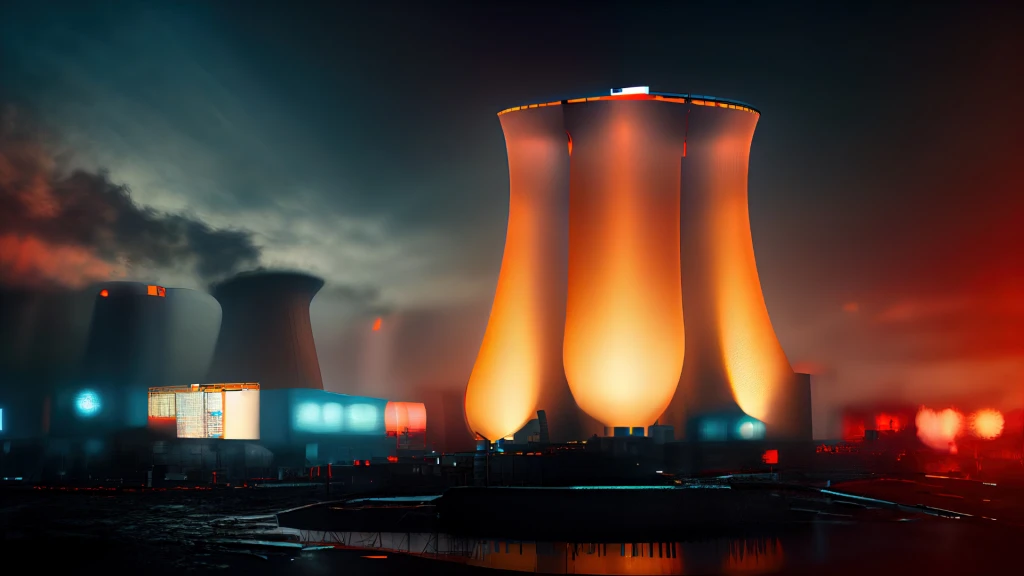
- Why it is critical now: Moving commercial nuclear microreactors from concept to execution provides uninterrupted, resilient power for critical military installations and missions, safeguarding them against vulnerable civilian power grids.
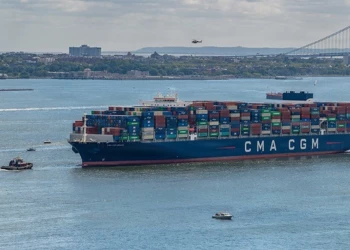
7. The "Fuel Afloat" Concept for Joint Petroleum Distribution
- Alignment: Aligns with the DLA Energy's focus on improving the flexibility and resilience of the fuel enterprise using commercial capabilities.
- Why it is critical now: Utilizing DoW-contracted commercial tanker vessels for consolidated replenishment at sea (CONSOL) provides a vital lever to mitigate fuel distribution shortfalls and meet sudden surge demands, particularly in vast maritime theaters like the Indo-Pacific.
8. Tactical Energy Storage and Force Electrification
- Alignment: Supports the DoW Lithium Battery Strategy and initiatives to develop hybrid and fully electric tactical systems.
- Why it is critical now: Incorporating advanced batteries and tactical energy storage into pre-positioned war reserves is vital to ensure that today's modernized, electronically dependent joint force can operate effectively while reducing reliance on liquid fossil fuels.
9. Cybersecurity and Protecting the Supply Chain
- Alignment: Addresses the National Defense Strategy priority of countering adversary cyber capabilities that threaten to degrade DoW energy and logistics networks.
- Why it is critical now: Adversaries are actively utilizing cyber vulnerabilities to manipulate supply chains; protecting these networks and critical infrastructure is essential to guarantee that missions can keep moving during a conflict.
10. Regionalized Sustainment and Allied Logistics Integration
- Alignment: Supports the strategy of building deep, multi-faceted interoperability and collective logistics networks with partner nations.
- Why it is critical now: Overcoming the "tyranny of distance" in regions like the Indo-Pacific requires co-developing logistics networks, establishing Joint Theater Distribution Points, and forward-staging critical supplies with allies to ensure operational reach and endurance.