Defense News Digest: July 2026 Update
Add bookmark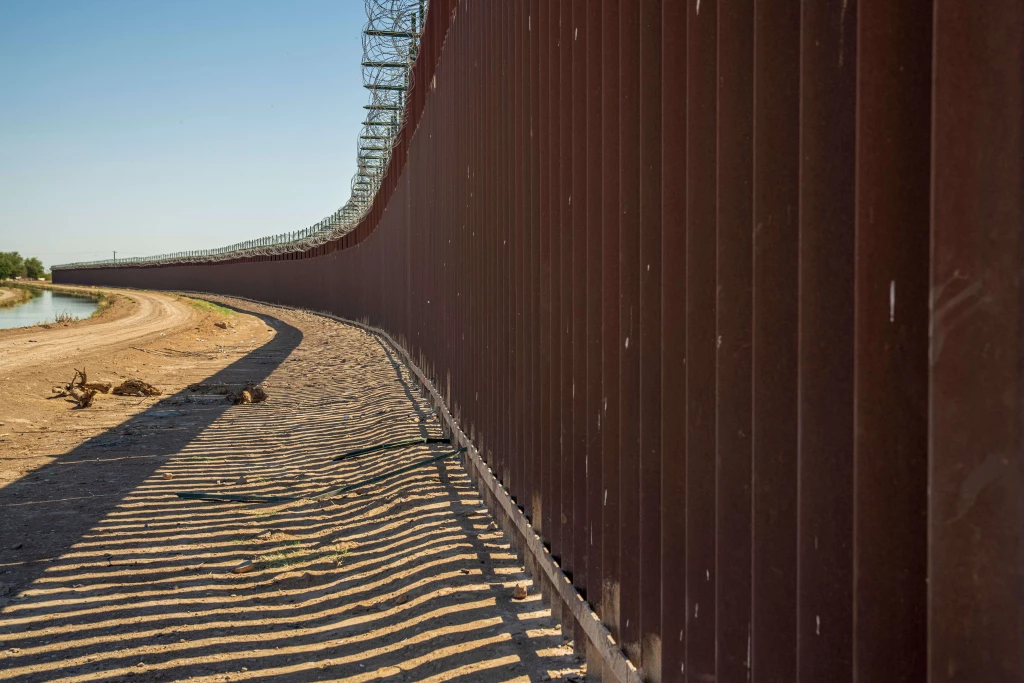
Welcome to IDGA's monthly news roundup. For over two decades, IDGA has organized conferences designed to further the national security objectives of the current administration and to facilitate the acquisition priorities of the DoW, DHS, and other federal agencies. Now, through this weekly series, we look to educate the community on the latest research, program updates and news in the defense and government sector.
This month we look at five stories you might have missed including a new Army artillery complex, updates to President Trump's border wall, and more.
Trump Administration Accelerates $46 Billion 'Smart Wall' Initiative
The Trump administration continues to expand its $46 billion "smart wall" initiative along the U.S.-Mexico border, combining new sections of 30-foot steel fencing with advanced surveillance technologies, including autonomous towers, AI-enabled cameras, ground sensors, radar, and fiber-optic detection systems. U.S. Customs and Border Protection (CBP) says the integrated system enhances situational awareness while allowing agents to focus on operational missions. The agency is currently constructing approximately six miles of wall per week and has added 74 miles since mid-June, with plans to build hundreds more miles while deploying an additional 95 autonomous surveillance towers to strengthen border security.
Army Breaks Ground on Next-Generation 155mm Ammunition Plant
The U.S. Army has broken ground on the Future Artillery Complex at the Iowa Army Ammunition Plant, marking a major investment in modernizing the nation's ammunition production capacity. The new facility will replace the plant's aging WWII-era production line with a state-of-the-art, digitally integrated manufacturing complex capable of producing multiple types of 155mm artillery rounds. Featuring advanced automation, smart factory technologies, and scalable production capabilities, the complex is designed to increase efficiency, improve safety, and rapidly adjust output to meet both peacetime and surge wartime demand, strengthening the Army's long-term artillery production capacity and defense industrial base.
To learn more about the Army's future munitions investments, register for IDGA's Future Fires and Munitions Summit taking place January 20-21 in Arlington, Virginia.
Air Force Advances Second Increment of CCA Program
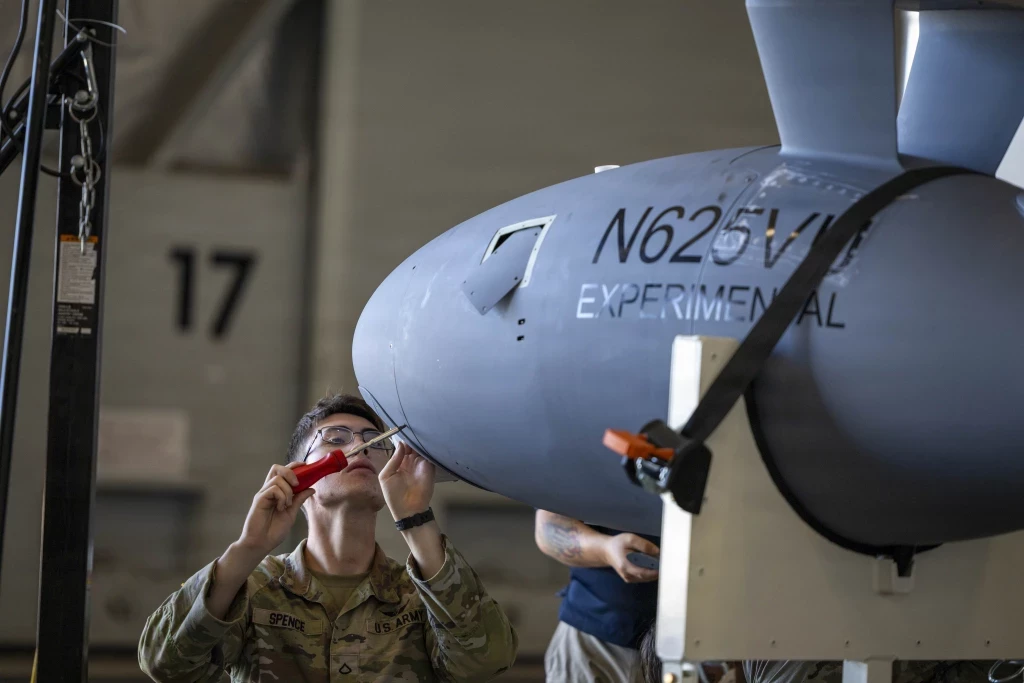
The U.S. Air Force is moving forward with the second increment of its Collaborative Combat Aircraft (CCA) program, with plans to narrow a field of nine industry competitors to as many as six conceptual designs by mid-2027 following a 10-month concept refinement phase. The selected designs will advance toward prototyping and eventual production, continuing the competitive acquisition strategy used for the first increment, which awarded production contracts to Anduril and General Atomics. The Air Force is also investing in next-generation propulsion technologies to support a broader range of autonomous aircraft capabilities for future CCA variants.
Air Force Plans Direct Procurement of T-7A Red Hawk Engines
The U.S. Air Force plans to purchase GE Aerospace F404-103 engines for the T-7A Red Hawk trainer directly rather than through Boeing, marking a shift in the program's acquisition strategy. Under the proposed arrangement, the engines would be provided to Boeing as government-furnished equipment, giving the Air Force greater control over procurement, sustainment, and long-term maintenance. The service has also initiated efforts to acquire the engine's technical data package to support organic depot-level repairs, with a formal request for proposals expected later this year. The move aligns the T-7 program with other Air Force aircraft programs where engines are procured separately from the airframe.
JIATF-401 Awards $500 Million Counter-Drone Contract to CACI
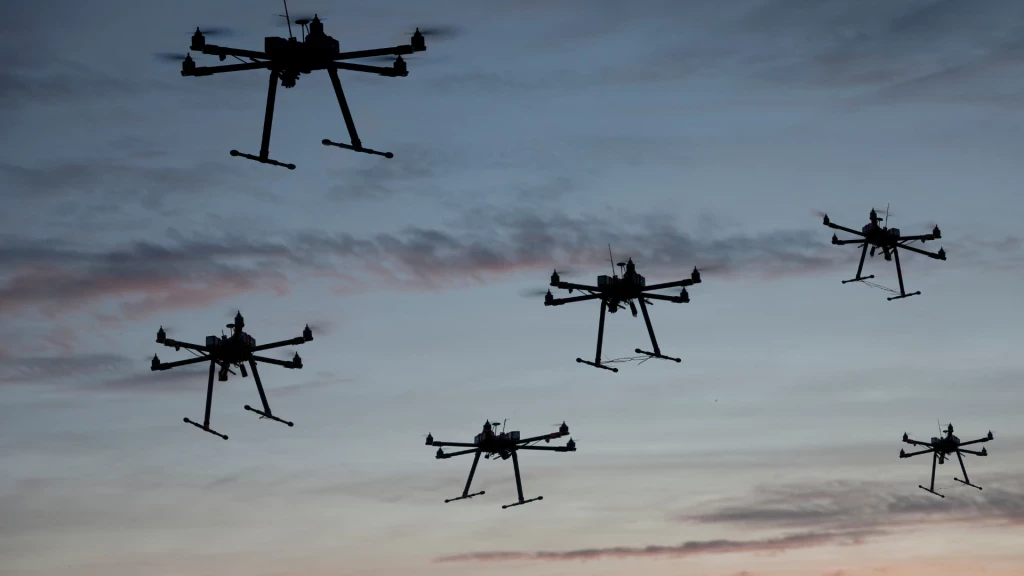
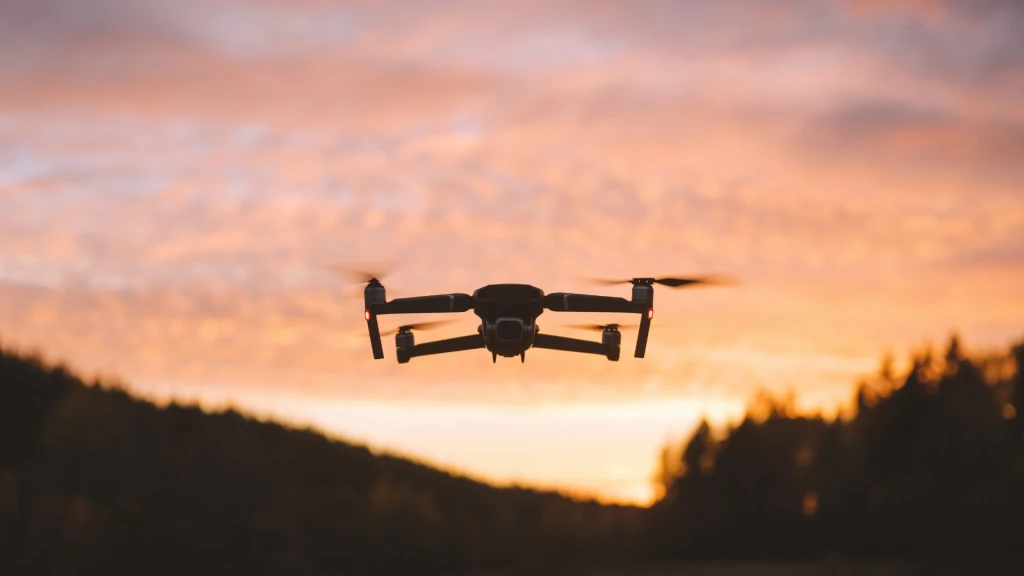
The Joint Interagency Task Force 401 (JIATF-401) has awarded CACI International a three-year, $500 million contract to provide its SkyValor non-kinetic counter-unmanned aircraft system (cUAS) and other tactical unmanned capabilities. The contract supports full-rate production and deployment of SkyValor systems to critical mission locations as part of the Pentagon's Domestic Shield initiative to protect military installations and critical infrastructure from drone threats. SkyValor uses radio frequency sensing, artificial intelligence, and electronic warfare capabilities to detect and defeat small unmanned aerial systems with minimal collateral effects. The award follows successful testing at Yuma Proving Ground and comes alongside a separate $500 million JIATF-401 cUAS contract awarded to AeroVironment earlier in July.