What Are the Most Urgent Homeland Security Challenges for 2026?
Add bookmark
A homeland security threat is defined as any danger that poses a threat to the American people, critical infrastructure, or the economy. In 2026, those threats can take many forms, whether as terrorism, cyberattacks, transnational crime, or natural disasters.
For the past 25 years, Americans have relied on the Department of Homeland Security to defend them from these threats, as well as manage borders and enforce immigration. Given the array of threats facing the American homeland, the Trump White House requested a historic and unprecedented investment in DHS of $178 billion for FY2026, nearly doubling recent annual funding levels.
The U.S. does not just turn to DHS to ensure the safety of Americans, but also to other federal agencies such as the Federal Emergency Management Agency, the Department of Justice, and several others. This article will look at some of the most urgent homeland security threats for 2026, including AI-driven threats, drone incursions, fentanyl and cross-border trafficking, severe wildfires, and cyber-attacks, and observe how federal agencies are handling them.
AI and Cybersecurity Threats
Since 2018, DHS’s Cybersecurity & Infrastructure Safety Agency (CISA) has been protecting Americans from ransomware, phishing, malware, and state-sponsored attacks, targeting financial systems, critical infrastructure, and personal data. In fact, a July 2025 Pew Research survey found 73% of Americans had experienced some type of online scam or attack. Now in 2026, the list of cybersecurity threats has expanded to AI-powered attacks, intensified social engineering and pervasive supply chain vulnerabilities.
In 2025, the Trump administration slashed CISA staff by a third in an effort to refocus the agency on cybersecurity, stating the agency had engaged in political overreach, particularly regarding election security and disinformation. The administration also shuttered CISA election security programs and scaled back its support to state and local governments to protect against cyber threats.
Congress moved in early 2026 to stabilize staffing at the Cybersecurity and Infrastructure Security Agency (CISA) through the Department of Homeland Security’s fiscal year 2026 “minibus” appropriations agreement. While the bill includes an overall budget reduction for CISA, it simultaneously signals bipartisan concern that workforce reductions have gone too far and risk undermining the agency’s core cybersecurity mission.
Despite proposed cuts from the Trump administration that would have reduced CISA’s budget by as much as $500 million, lawmakers carved out $20 million specifically to allow the agency to hire back staff into what the bill describes as “critical positions.” That funding is evenly distributed across five mission-essential areas: Threat Hunting, Vulnerability Management, Continuous Diagnostics and Mitigation, Security Programs, and Security Advisors.
Border Security
The Trump White House’s immigration crackdown in 2025 led to the administration's desired outcome. In fact, just this month American news outlets reported that for the first time in 50 years the U.S. experienced net negative migration, meaning more people left the country than arrived.
While immigration into the U.S. is at an all-time low, agencies like Customs & Border Protection continue to remain vigilant in their efforts to secure borders, curb drug and human trafficking, and enforce fair trade laws.
2025 was a year of swift action when it came to securing U.S. borders. A January 2025 executive order signed by President Trump titled “Securing Our Borders” triggered action across DHS and the U.S. military. The order directs DHS to detain apprehended migrants to the maximum extent allowed by law until removal, explicitly terminating catch-and-release practices. It also calls for prompt removal, expanded prosecution of immigration-related offenses, and resumed Migrant Protection Protocols (Remain in Mexico), so many asylum seekers wait outside the U.S. during proceedings.
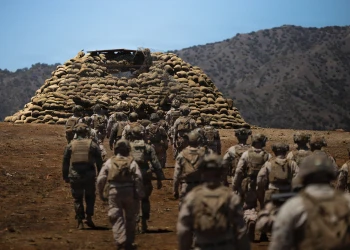
The Trump administration also directs the DoD to help deploy and construct temporary and permanent physical barriers along the southern border, as well as enables expanded deployment of military personnel to the border. The Trump administration has also implemented the full restrictions and entry limitations of citizens from seventeen countries deemed high risk.
A January 2026 press release by DHS states that in the new year, immigration enforcement will aim to expand personnel and detention capacity to accelerate arrests, removals, and joint operations with state and local law enforcement. Additionally, DHS will continue to deploy physical and digital barriers to illegal entry supported by advanced surveillance technologies and integrated command-and-control operations.
Beyond targeted hiring funds, the appropriations agreement places explicit limits on how far CISA staffing reductions can go. The bill requires that CISA not reduce its workforce in a way that prevents it from effectively carrying out its statutory missions.
Drone Incursions
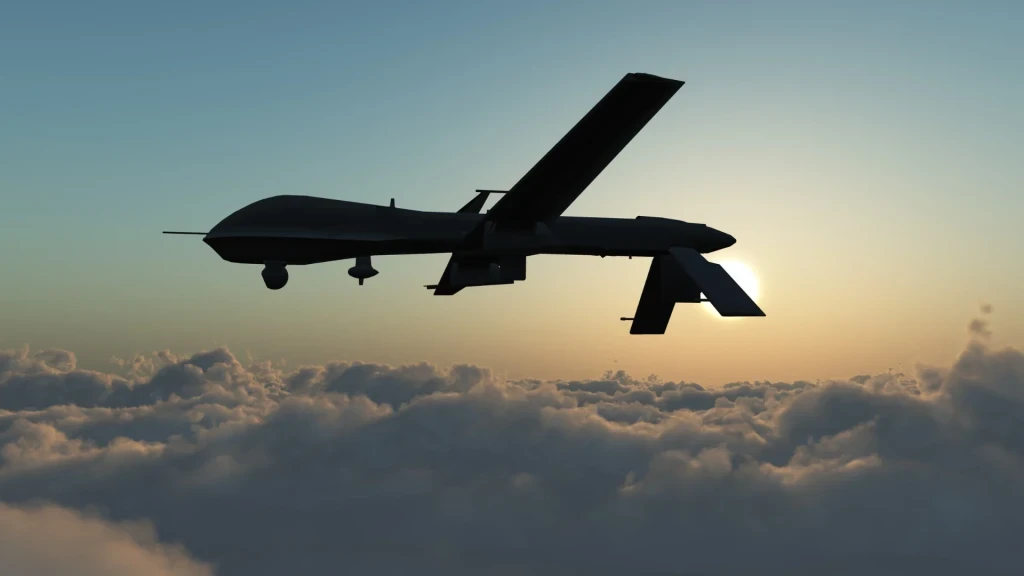
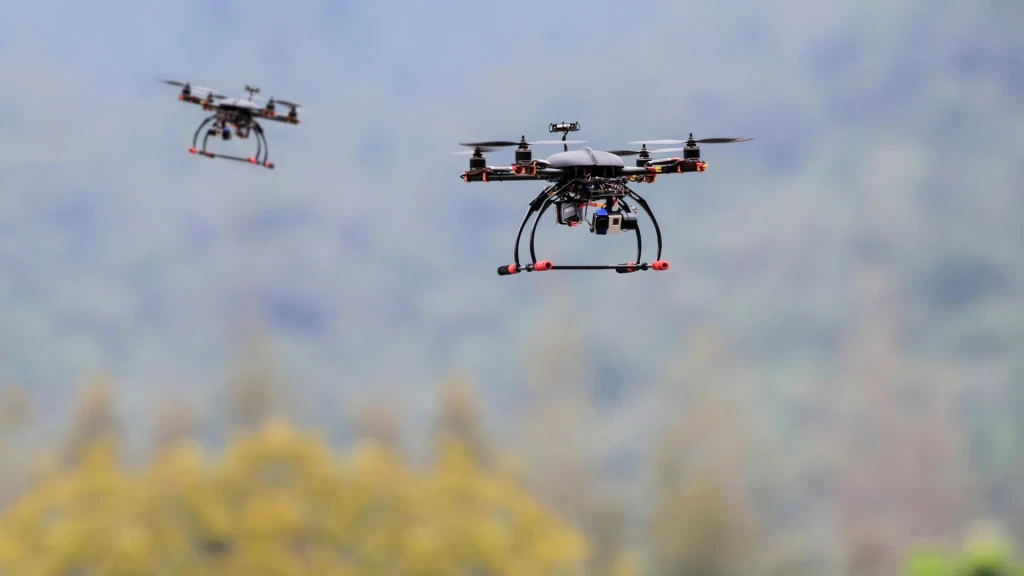
Between mysterious drone sightings in New Jersey and the Wall Street Journal reporting on a 17-day stretch of drone incursions over U.S. military bases in 2023, drones have entered the forefront of national security discussions, and protecting American airspace has become a priority for federal law enforcement.
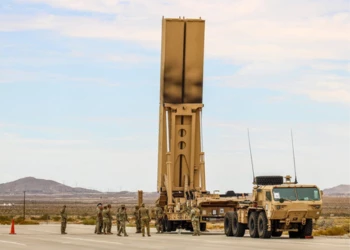
DHS’s Science & Technology Directorate has been collaborating with industry and academia to produce kinetic counter-UAS drone solutions. DHS S&T is seeking solutions that can be safely and legally used in U.S. airspace, meaning they can avoid falling debris, signal interference, and environmental impacts.
DHS is taking part in a collaborative ecosystem to protect American airspace. S&T is working with federal agencies, state partners, academia, the National Guard, and private industry. By leveraging test sites like the FAA-designated Northern Plains UAS Test Site and partnering with universities and defense firms, DHS is creating repeatable testing environments that can keep pace with rapidly evolving drone technology.
In 2025, President Trump signed "Restoring American Airspace Sovereignty" and “Unleashing American Drone Dominance,” two executive orders focused on addressing drone incursions.
“Restoring American Airspace Sovereignty” looks to grow that collaborative ecosystem by creating the Federal Task Force to Restore American Airspace Sovereignty. The task force will bring together representatives from key federal agencies to assess the risks posed by drones used by criminal organizations, terrorists, and foreign adversaries. One of its core responsibilities is to evaluate existing vulnerabilities and propose operational, technical, and regulatory solutions to mitigate those threats.
The executive order also lays out a plan to increase funding for C-UAS solutions. Specifically, the order directs federal agencies to ensure that existing grant programs can be used by state, local, tribal, and territorial (SLTT) law enforcement agencies to acquire counter-drone technologies and services. This includes funding for equipment that can detect, track, and identify drones and their signals.
While the order does not specify exact dollar amounts or create new funding streams outright, it clearly signals an intent to prioritize and expand the use of federal resources for C-UAS capabilities through existing programs and infrastructure development.
Natural Disaster
Hurricanes and wildfires have devastated American communities in recent years. From the 2025 Los Angeles wildfires burning 13,000 homes, to Hurricane Ian in 2022 causing $112 billion in damages, natural disasters are testing Americans' resiliency, and the ability of the federal government to support those affected.
In 2024, there were 27 confirmed weather/climate disaster events with losses exceeding $1 billion each to affect the United States. The second most on record since the National Centers for Environmental Information began tracking billion-dollar disasters in 1980.
The Federal Emergency Management Agency (FEMA) is the DHS agency responsible for overseeing the federal government’s response to disasters. The current Trump administration is in the process of shifting more emergency management responsibilities to state and local governments.
In 2025, the Trump administration sought to restructure FEMA by prioritizing speed, decentralization, and fiscal control, thus producing faster disaster responses and quicker funding for incidents like the flooding in Central Texas that took place last July. However, these efforts also triggered attempted workforce reductions of CORE (Cadre of On-Call Response/Recovery Employees), who oversee survivor assistance and long-term community rebuilding. These efforts by the Trump administration raised alarms about FEMA’s ability to bring continuity and support long-term recovery.
Efforts by the Trump administration to reduce staffing were curbed by the January 2026 DHS “minibus” appropriations agreement, which represents the first major legislative check on FEMA staffing reductions since the reforms began. In addition to halting further staffing erosion, Congress imposed new oversight requirements on FEMA. The agency is now required to provide monthly briefings detailing current staffing levels, workload demands, and projected workforce capacity for the remainder of fiscal year 2026.