How the Department of War is Responding to Advanced Drone Threats
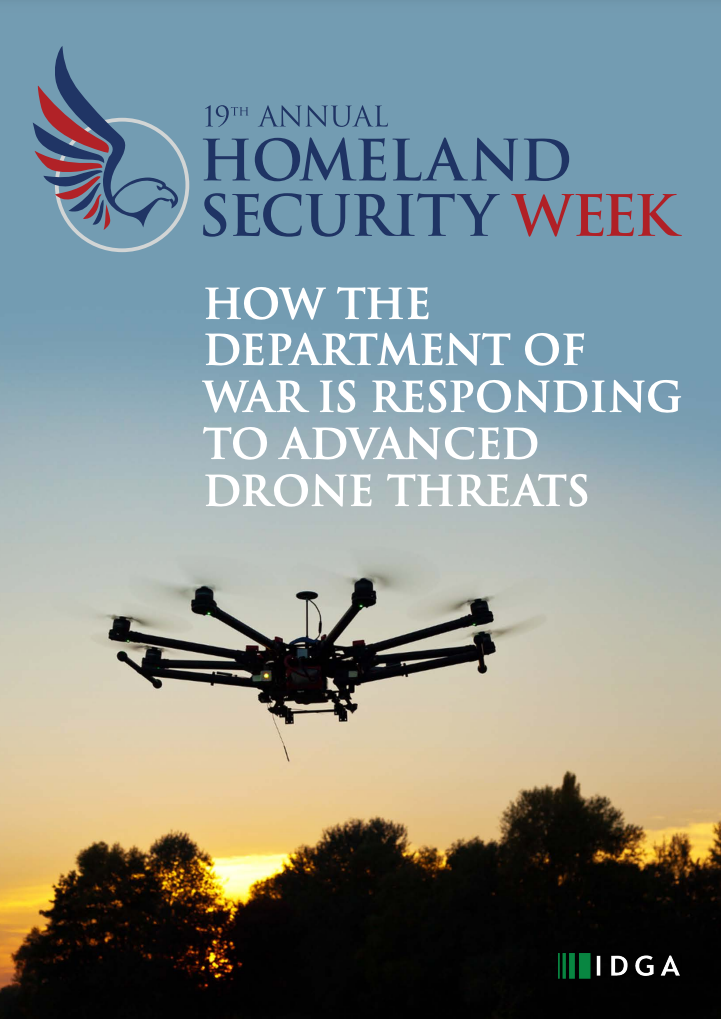
Recent global conflicts have highlighted the growing threat posed by drones and unmanned aerial systems (UAS), driving increased urgency around counter-UAS strategy, homeland defense, and critical infrastructure protection.
This report examines the Department of War's evolving approach to counter-drone operations, including the establishment of Joint Interagency Task Force 401 (JIATF 401) and the wider effort to strengthen coordination, authorities, and C-UAS capabilities across government agencies.
Download the report to explore the emerging drone threat landscape and the strategies shaping the future of homeland security and airspace protection.
In Partnership With:

QUESTIONS?
Contact us: +1 646 200 7515
Email: idga@idga.org

©2026 IQPC. All rights reserved.