Resource Centre
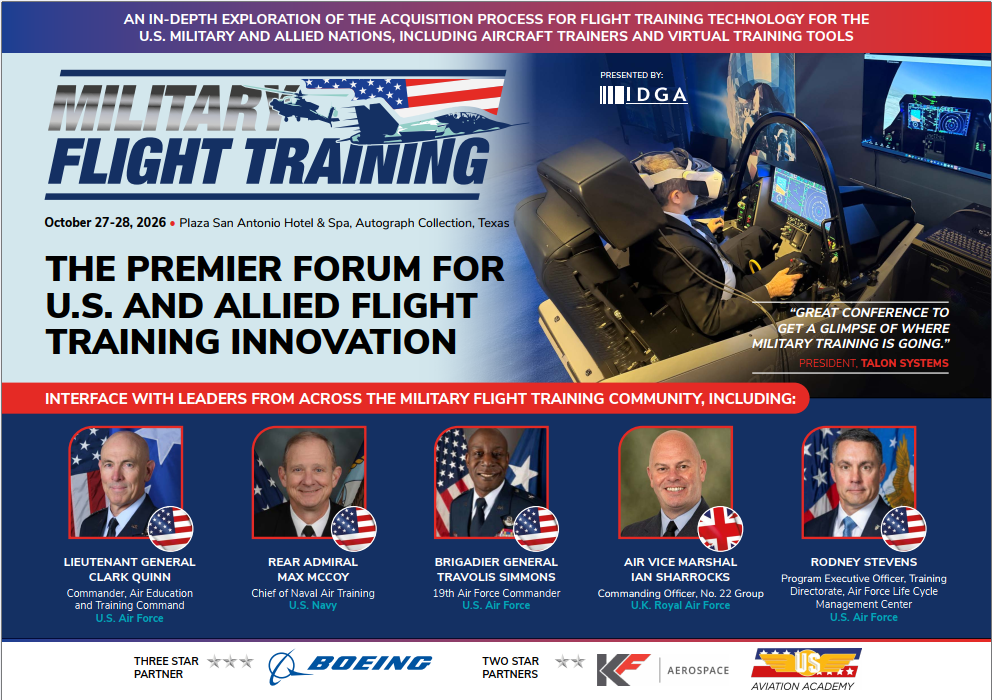
Military Flight Training USA 2026 Agenda
The 2026 IDGA Military Flight Training Summit returns to San Antonio on October 27–28, bringing together 350+ senior military leaders, program managers, instructors, technology experts, and industry shaping the future of pilot training. Chaired by Major General (Ret ...
Event Information
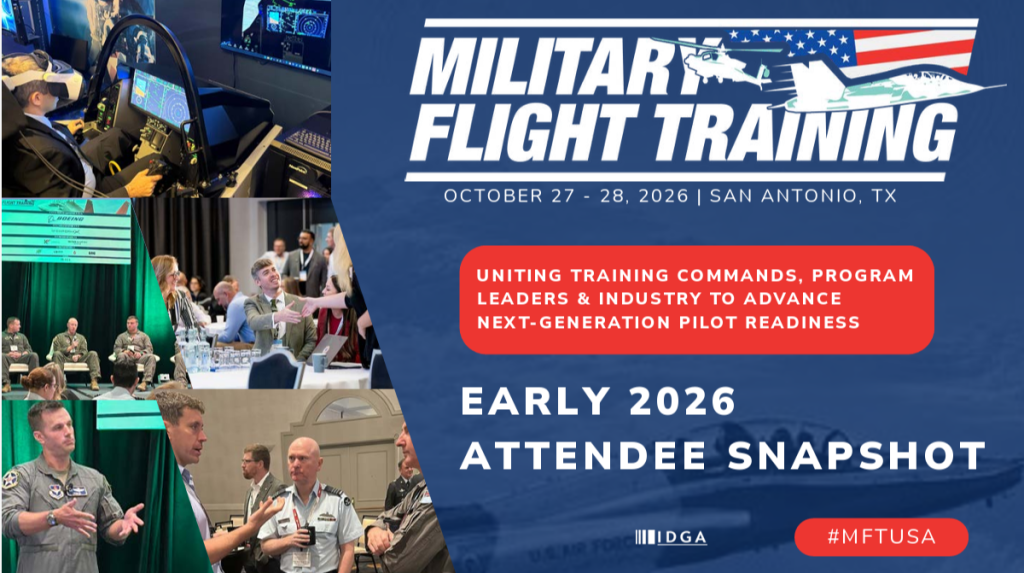
Military Flight Training Summit | 2026 Attendee Snapshot
See Who's Attending Military Flight Training USA 2026
Now is the perfect time to discover who's already registered for the 2026 Military Flight Training Summit. Our Early Attendee Snapshot provides an exclusive preview of the military organizations, training commands, government agencies, and industry leaders that have already secured their place at this year's event.
Bringing together senior leaders and practitioners from across the U.S. Air Force, U.S. Navy, U.S. Marine Corps, allied nations, and industry, the 2026 attendee snapshot highlights the military flight training community responsible for advancing aircrew development, training readiness, simulation, next-generation training systems, and emerging technologies.
Download the 2026 Early Attendee Snapshot to explore the organizations and job titles already confirmed to attend and see who you could be networking with in San Antonio this October.
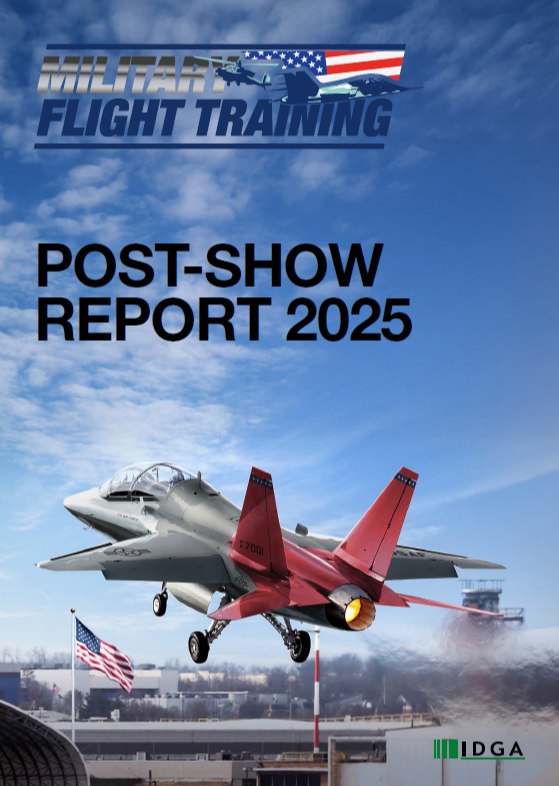
2025 Post-Show Report
IDGA’s Military Flight Training Summit returned for its 10th year this past October at The Westin San Antonio North in San Antonio, Texas. The 2025 iteration welcomed 240+ senior leaders, program managers, instructors, and industry innovators in the flight training field. Top commands such as AETC, and the Army Aviation Center of Excellence were in attendance leading discussions on the future of flight training in the U.S. military and allied nations.
The following report highlights what made this year’s Military Flight Training Summit stand out, including a look at the diverse group of attending organizations, daily summaries from the conference, and much more.
If you are interested in participating in Military Flight Training 2026, which is set to return to Texas this October 27-28, click here.
Industry Insights
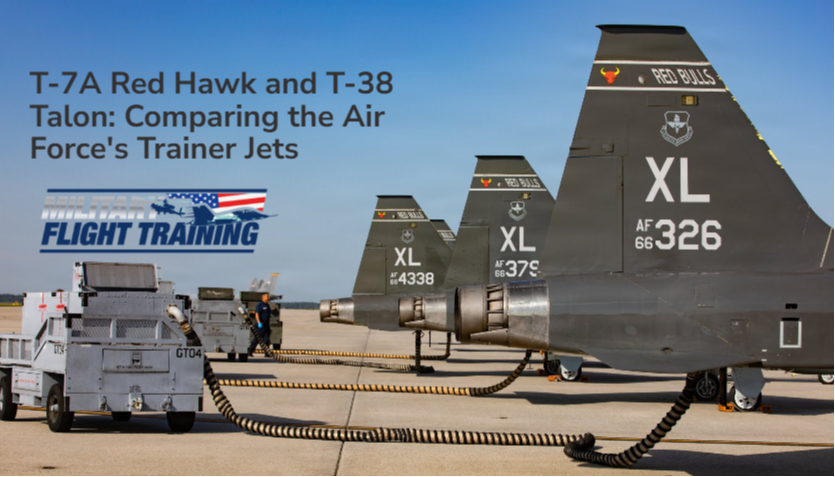
T-7A Red Hawk and T-38 Talon: Comparing the Air Force's Trainer Jets
As the U.S. Air Force transitions from the iconic T-38 Talon to the next-generation T-7A Red Hawk, pilot training is entering a new era. Designed to prepare aviators for fifth-generation and future combat aircraft, the T-7A combines advanced simulation, digital engineering, and immersive training capabilities that go far beyond traditional flight instruction.
Download this piece to:
- Compare the T-38 Talon and T-7A Red Hawk, including performance, design, capabilities, and training applications.
- Explore how the T-7A is modernizing pilot training through integrated live, virtual, and constructive training, embedded simulation, and advanced digital systems.
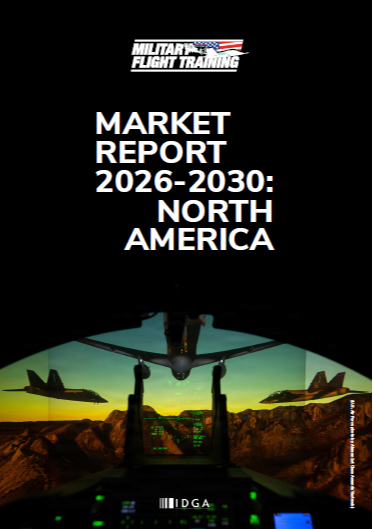
Market Report 2026-2030: North America
North America remains the world's largest military flight training market, driven by major U.S. and Canadian investments in advanced aircraft, synthetic training environments, and next-generation pilot development. This report examines the programs, technologies, and spending priorities shaping the market through 2030, highlighting how military organizations are modernizing training to support fifth- and sixth-generation airpower.
Inside the report:
- Market forecasts and investment trends across the U.S. and Canada, including major training aircraft and simulation programs through 2030.
- The rise of AI, VR/AR, and synthetic training, and how these technologies are transforming pilot and maintainer readiness.
- Key modernization programs supporting platforms such as the F-35, T-7A Red Hawk, future trainer aircraft, and next-generation combat aviation systems.
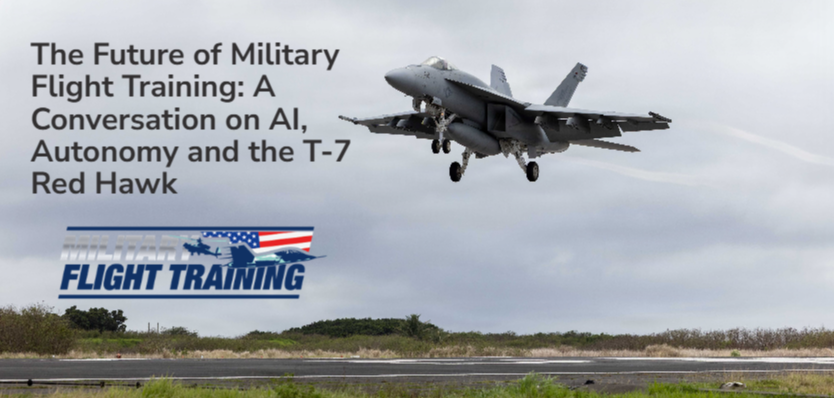
The Future of Military Flight Training: A Conversation on AI, Autonomy, and the T-7 Red Hawk
How is military flight training evolving to prepare pilots for an era of AI, autonomy, and next-generation aircraft? Ahead of the Military Flight Training Summit, the new conference chair, Major General (Ret.) Jim Sears shares his perspective on the technologies, training philosophies, and operational demands shaping the future of military aviation.
Read the interview to:
- Explore the impact of AI, advanced simulation, and Collaborative Combat Aircraft (CCA) on pilot training, instructor effectiveness, and future aircrew skill requirements.
- Learn how platforms like the T-7 Red Hawk are transforming the training pipeline, enabling earlier exposure to networked operations, modern systems, and mission-focused learning.
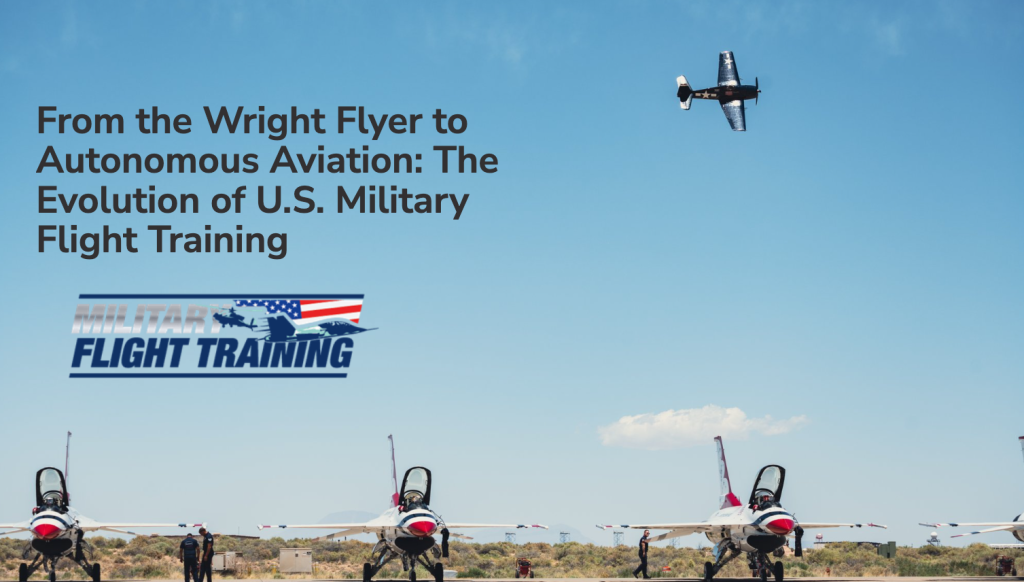
From the Wright Flyer to Autonomous Aviation: The History of U.S. Military Flight Training
From the Wright Military Flyer to AI-enabled training environments, military flight training has evolved alongside every major advance in aviation. This report traces the history of military flight training across the U.S. armed forces, highlighting the milestones, organizations, and innovations that have shaped how pilots are trained for more than a century.
Download the report to:
- Explore the key milestones in military flight training, from the Army's first aviators and the birth of naval aviation to the creation of the U.S. Air Force and modern pilot training commands.
- Discover how training has evolved over time, incorporating advanced simulators, specialized training pipelines, fifth-generation aircraft, and human-machine teaming concepts.
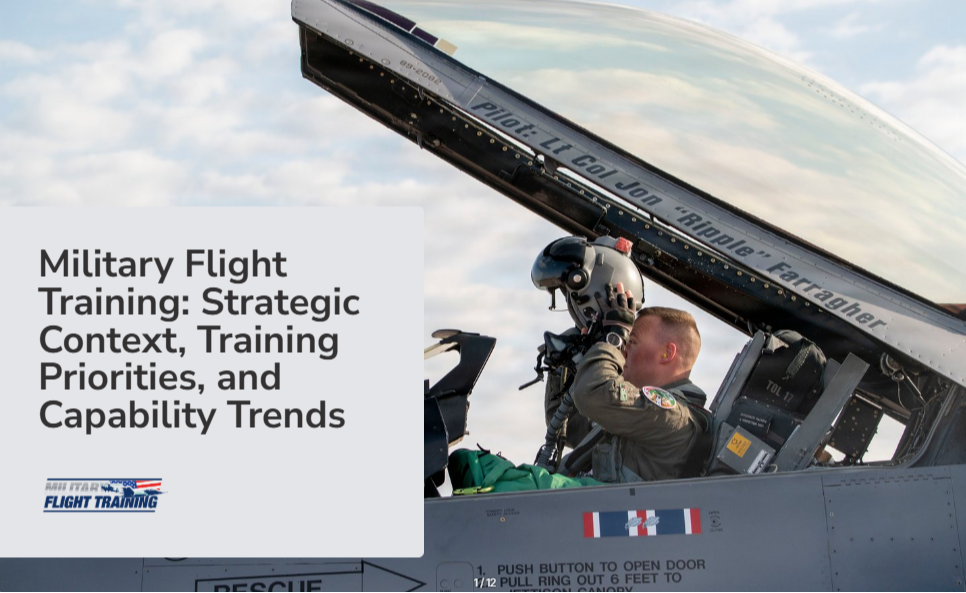
Military Flight Training: Strategic Context, Training Priorities, and Capability Trends
How are air forces preparing pilots for the complexity of modern warfare?
As advanced threats, multi-domain operations, and next-generation aircraft redefine the battlespace, military flight training is undergoing a rapid transformation. This report explores how air forces are adapting training systems to produce resilient, mission-ready aircrew capable of operating in high-pressure, information-heavy environments.
Download to learn:
- Key trends shaping pilot training, including simulation, Live Virtual Constructive environments, and multi-domain integration
- Critical challenges and priorities, from pilot shortages to rising cognitive demands and high-threat preparedness
Recommended Resources from 2025
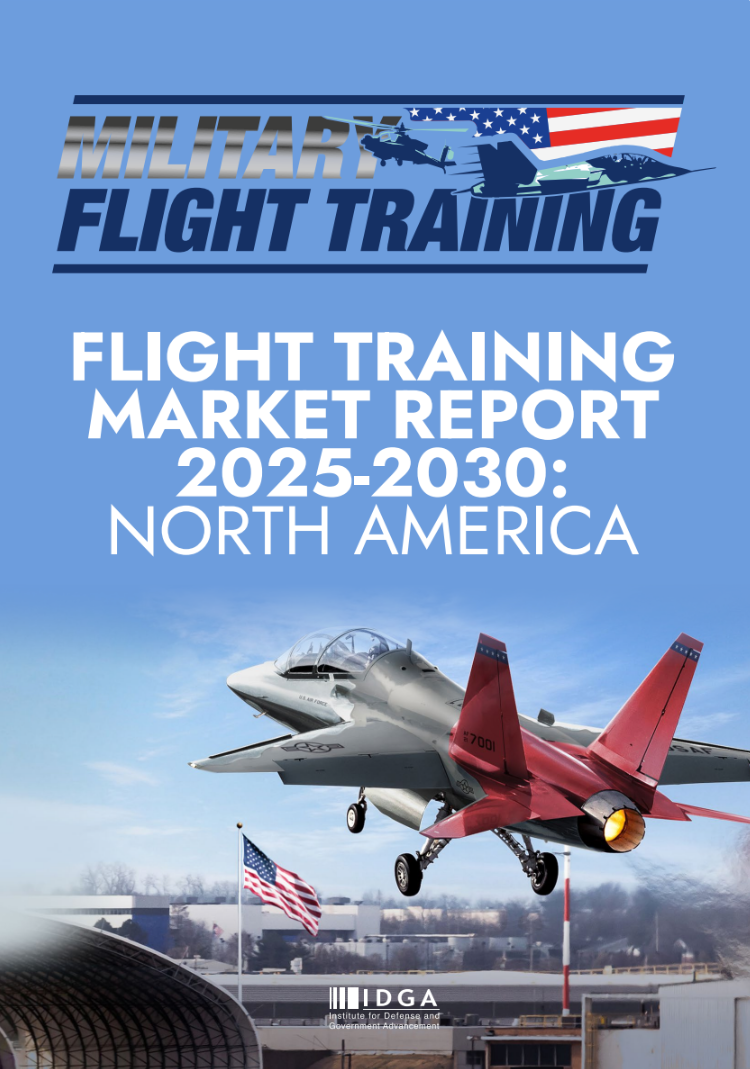
Military Flight Training Market Report 2025-2030: North America
For over a decade, IDGA’s Military Flight Training Summit has brought together allied air forces and leading aerospace companies to share knowledge and connect in a secure, collaborative environment. The 2025 summit, held on October 28–29 in San Antonio, Texas, continued this tradition, welcoming a senior audience of flight training programme managers, instructors, industry leaders, and subject matter experts.
Discussions at the 2025 event focused on how partnerships and emerging technologies are shaping the next era of pilot training for the U.S. military and its allies.
Produced ahead of the summit, the Military Flight Training – North America 2025 Market Report remains one of the most comprehensive overviews of the military flight training landscape available. The report spans 35 pages and provides in-depth analysis of U.S., Canadian, and NATO flight training programmes, alongside insight into overall market size, sustainability initiatives to reduce carbon footprints, and the growing impact of technologies such as AI and virtual reality.
An updated edition of the market report will be released ahead of the 2026 Military Flight Training Summit. In the meantime, the 2025 report continues to serve as a valuable resource for organisations seeking to understand the current state and trajectory of the military flight training market.

How the Air Force's Flight Training CoE is Shaping the Future of Pilots
In October 2024, the U.S. Air Force established the Flying Training Center of Excellence (FT CoE) within the 19th Air Force. Directed by the Secretary of the Air Force, the FT CoE was created to bring institutional development functions under a single command, with the aim of modernising and enhancing the effectiveness of Air Force pilot training.
Since its establishment, the Center’s mission has focused on “acquiring, establishing, securing, sustaining, and seamlessly integrating” the best available tools and techniques into a training system designed to evolve alongside operational demands.
At Military Flight Training USA 2025, Brian Kirk, Deputy for Technology Integration within the FT CoE, shared insight into the Center’s work developing an adaptive learning ecosystem, commonly referred to as “the portal”, designed to support both the FT CoE and future generations of Air Force pilots.
Ahead of the summit, Kirk spoke with IDGA about the development of the new training portal, how it has been tailored to meet the individual needs of each student, and the role artificial intelligence is expected to play in the future of military flight training.
Inside NFTE: Expanding Allied Flight Training Across Europe and Beyond
In 2020, 10 NATO allies (Belgium, Czechia, Greece, Hungary, Italy, Montenegro, North Macedonia, Romania, Spain and Türkiye) agreed to expand flight training capabilities across the alliance through the creation of the NATO Flight Training Europe (NFTE) High Visibility Project.
By March 2024, NFTE had placed ~50 student pilots at four locations, added nine new training campuses, and established an industry advisory body.
At Military Flight Training USA 2025, Jas Hawker, Principal Officer for NFTE, shared insight into the programme’s role in strengthening cooperation between NATO air forces and industry partners, as well as NFTE’s efforts to raise awareness and further expand the training network across the Alliance.
Ahead of the summit, Hawker spoke with IDGA about NFTE’s collaboration with the U.S. Air Force, the programme’s objectives for 2025, and how multinational cooperation is shaping the future of military flight training.
In Partnership With:

QUESTIONS?
Contact us: +1 646 200 7515
Email: idga@idga.org

©2026 IQPC. All rights reserved.