IDGA Presents
The Premier Platform for Fires Leaders
January 20 - 21, 2027 | Arlington, VA
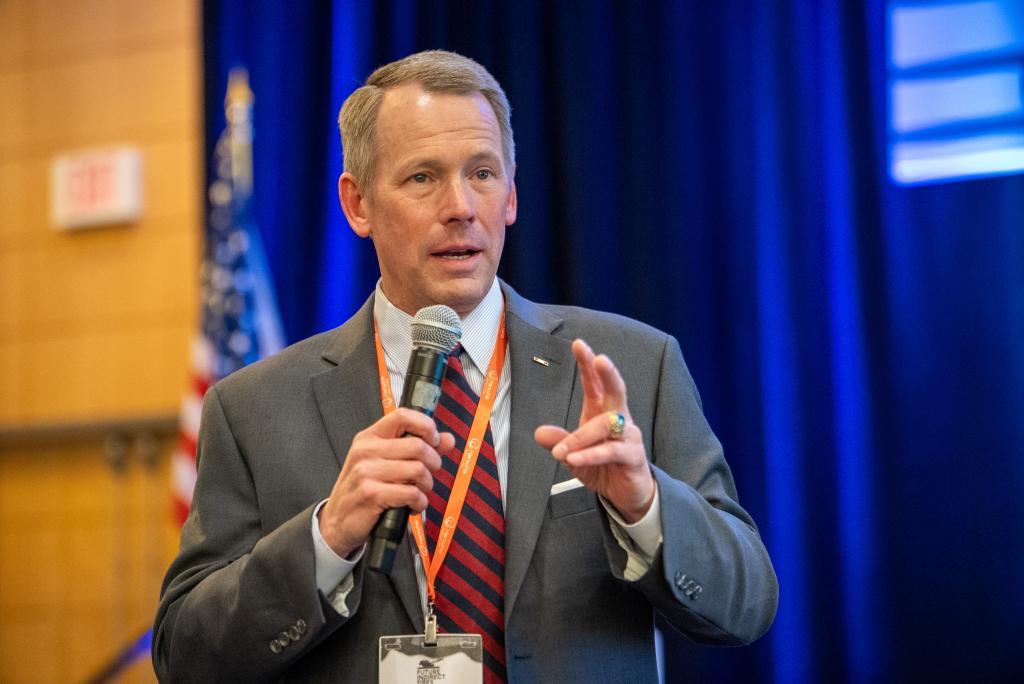
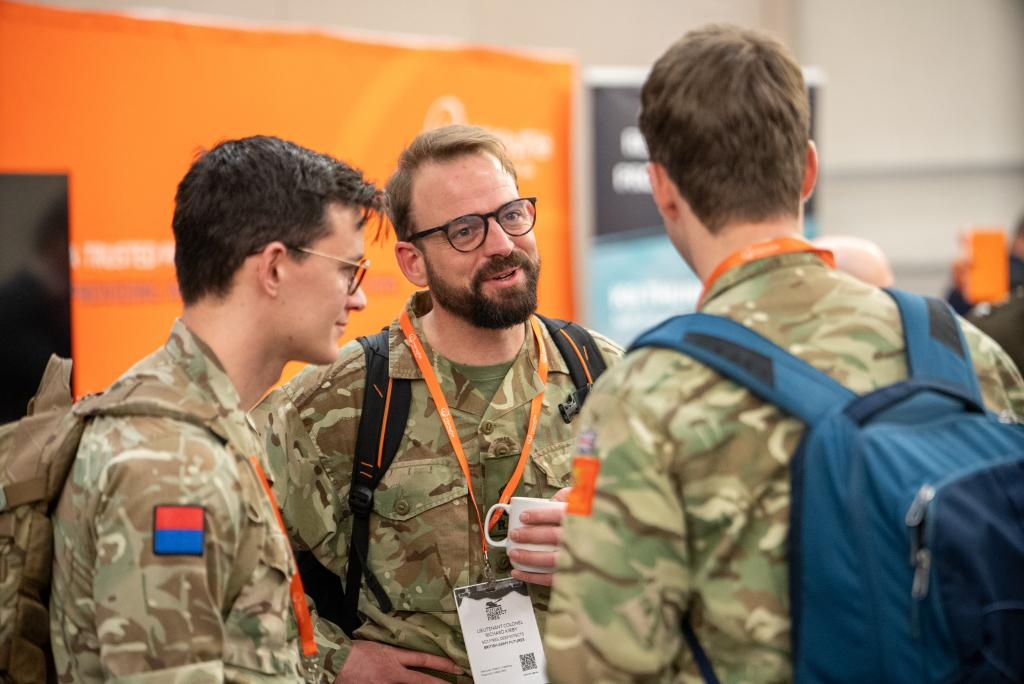
January 20 - 21, 2027
Supporting Next-Generation Capability Development and Fires Recapitalization
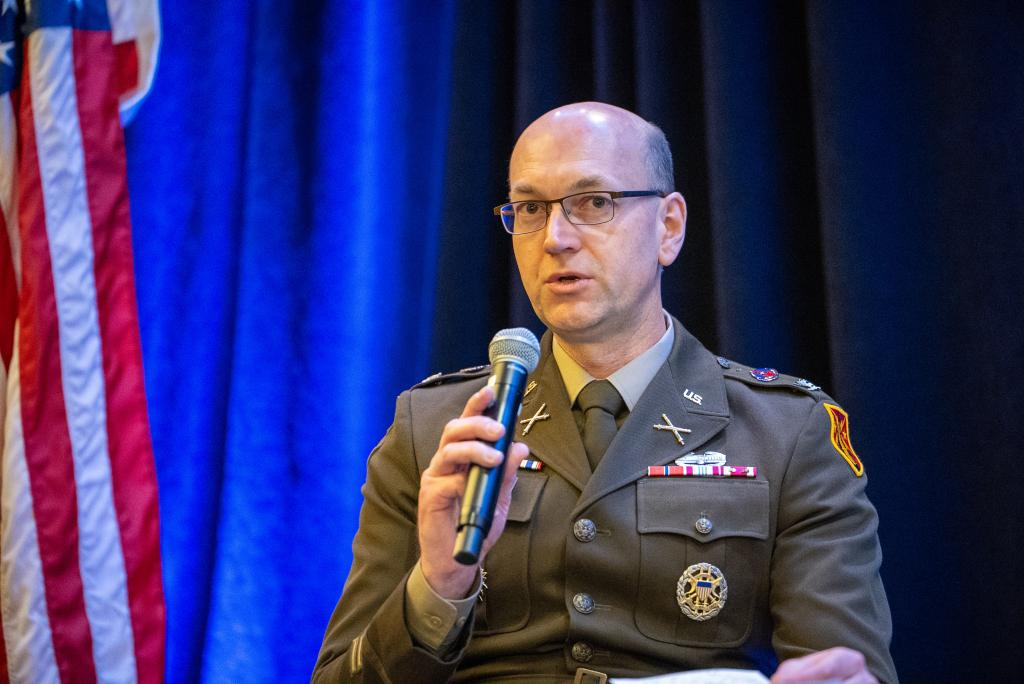
The 2027 Future Fires & Munitions Summit puts you at the center of the conversation. Leaders from across the fires community will gather to discuss the latest innovations and modernizations in cannon artillery, mortars, long-range systems, and the munitions required. Conversations will focus on a layered fires approach, aiming to increase lethality, survivability, range, and precision.
By attending, you will have the opportunity to hear from thought leaders on modern warfare and the quest for increased firepower. Sessions will cover the U.S. Army's new Self-Propelled Howitzer, mortars, munition modernization, production, and long-range artillery systems. Together, we will explore the challenges of keeping up with rapidly evolving technology and the need for common software and fire support systems. Sessions will investigate the defense industrial base’s critical role in supporting fires, munitions production, and system advancements. The summit will also offer opportunities to hear from a variety of leaders and operational-level commanders on capability gaps.
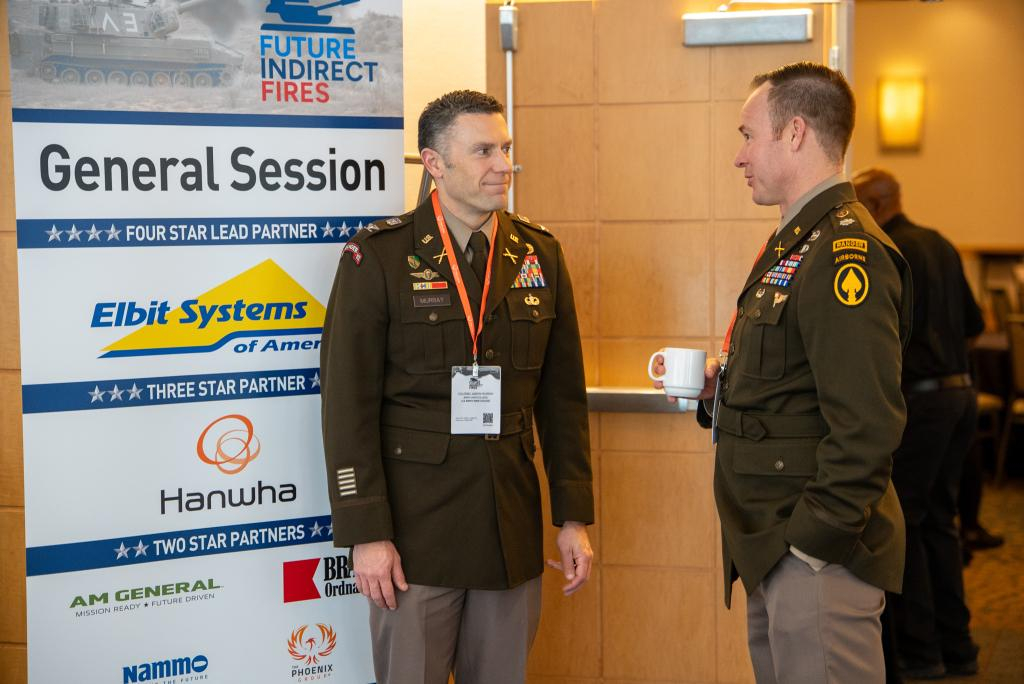
With a new name this year, the 2027 conference promises two days filled with networking, collaboration, and connection aimed to sharpen your understanding of where Army and Marine Corps fires are headed and how to translate that knowledge into actionable advantage.
Meet Our Expert Speakers
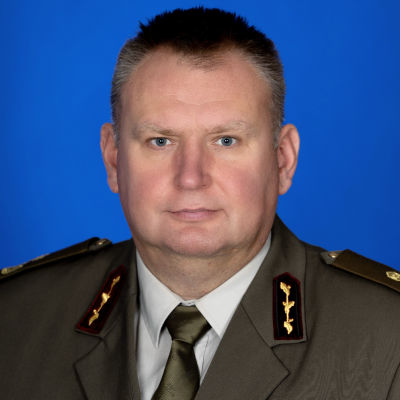
Major General Viktor Kalnitski
Deputy Commander of the Estonian Defense Forces
Estonian Defense Forces
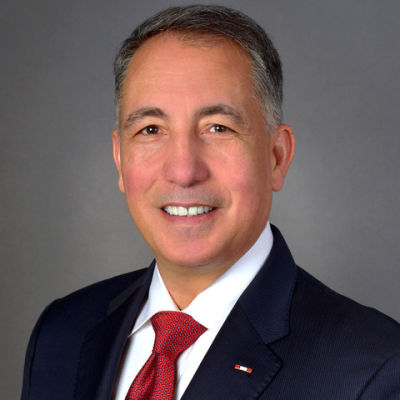
MG Stephen J. Maranian USA (Ret.)
Former CG, 56th AC; FA Cmdt; LRPF CFT Dir.
U.S. Army (Retired)
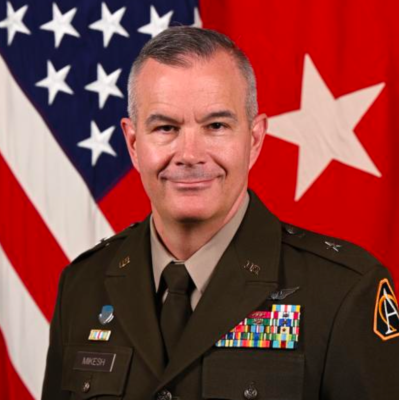
Brigadier General Robert Mikesh
Portfolio Management Executive (PME), Offensive Fires
U.S. Army
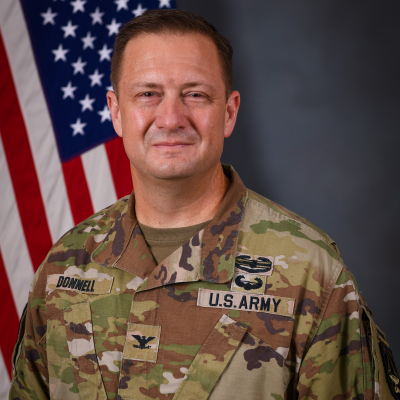
Colonel Tyler Donnell
Fires Transformation and Lessons Learned Manager
U.S. Army
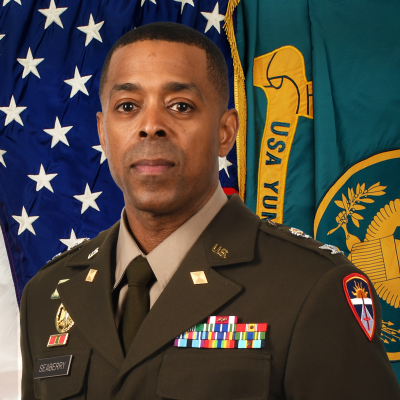
Colonel Charles M. Seaberry
Comamnder
U.S. Army

Colonel Ryan Stimpson
Royal Regiment of Canadian Artillery
Canadian Armed Forces
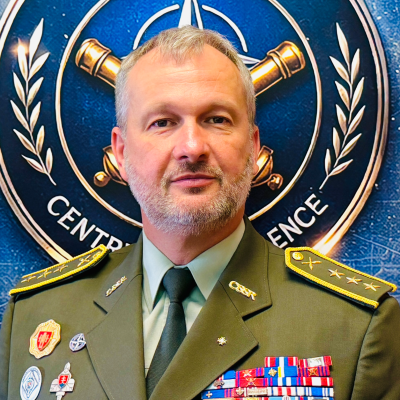
Colonel Roman Bobal
Commander, Slovak Fires Center of Excellence
NATO
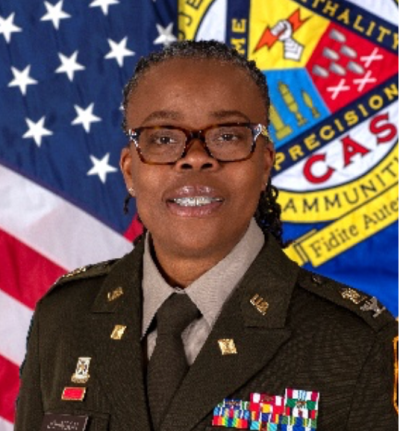
Colonel Alicia Johnson
PM CAS, CPE Ammunition and Energetics
U.S. Army

Dave Musgrave
Chief Engineer for DEVCOM-AC’s Artillery Fire Control Systems Division
U.S. Army
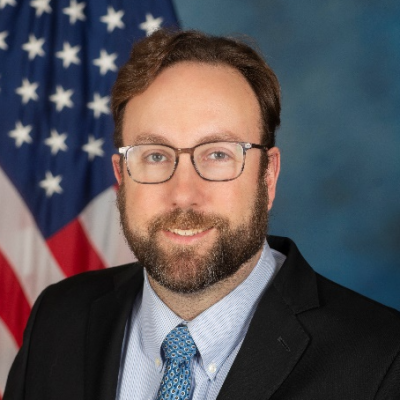
Ryan Gorman
Senior Scientific Technical Manager, Indirect Fire Munitions, DEVCOM AC
U.S. Army

Ms. Christelle Collet
Land Munitions Officer, Defence Industry, Innovation and Armaments Division, LMS
NATO Headquarters

Charles Roede
Deputy Director, Integrated Offensive and Defensive Fires FCD
U.S. Army
Cobb Laslie
Program Director, Howitzer Programs
Twenty-Six Defense

Jon Milner
Senior Director
Tiberius Aerospace
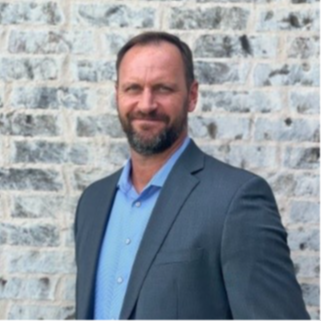
Carl Poppe
Director, Business Development
Hanwha Defense USA

Shatiel Edwards
Chief Growth Officer
AM General
Make sure to register before Friday, November 6th, 2026
Secure an early pass and save $400!
Expand Your Knowledge Ahead of the Summit
Click the image to grab your copy
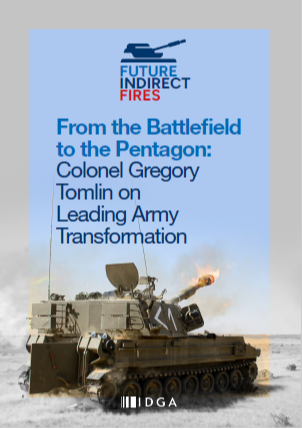
From the Battlefield to the Pentagon: Leading Army Transformation
IDGA sat down with Colonel Gregory Tomlin, PhD, Capability Manager for Division Artillery Formations at the U.S. Army. During the interview. he explores division deep fires, interoperability across domains, lessons from joint and coalition operations, and key priorities for Division Artillery Formation.
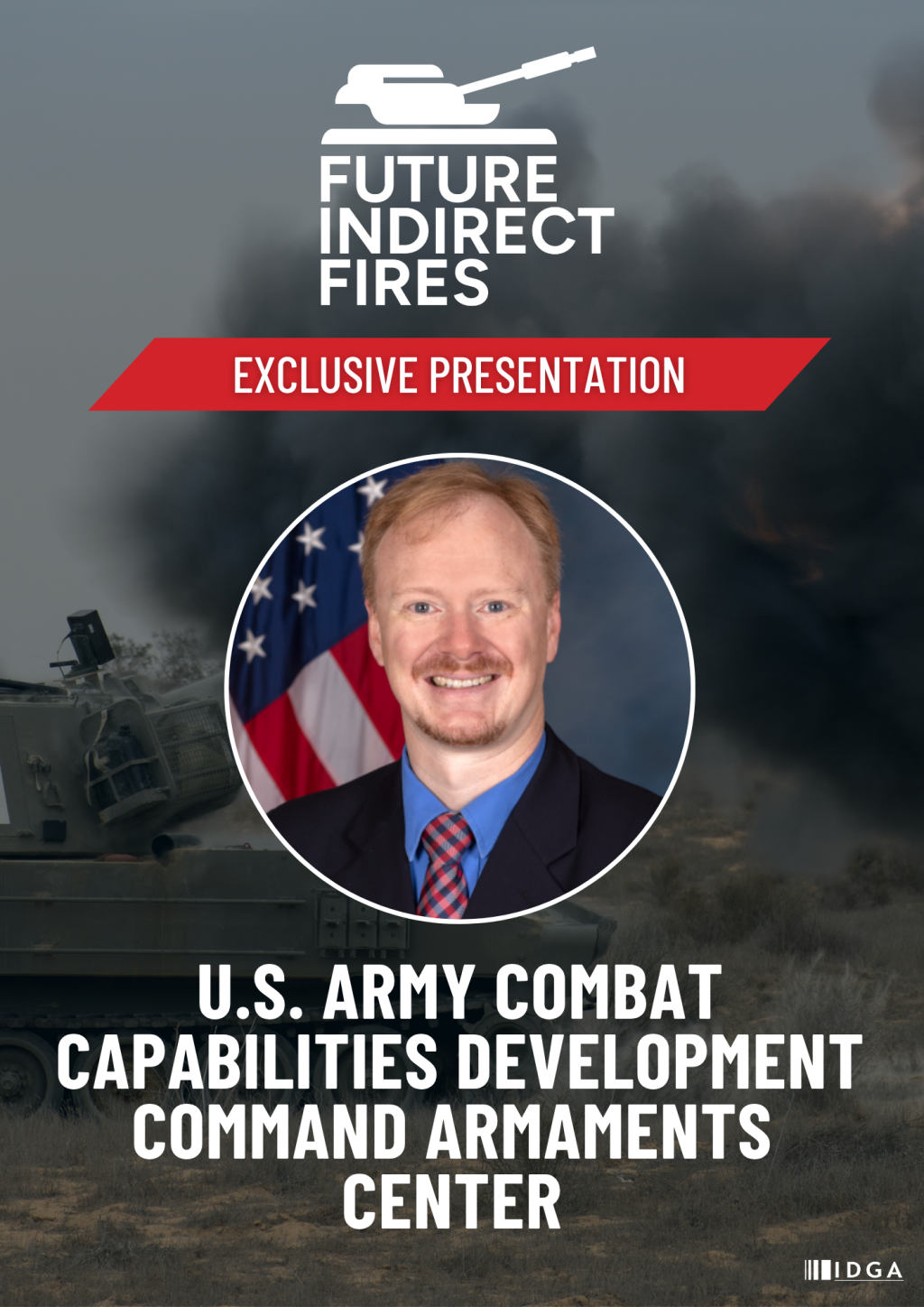
U.S. Army Combat Capabilities Development Command Armaments Center
Delivered by Dave Musgrave, Chief Engineer for DEVCOM-AC’s Artillery Fire Control Systems Division, U.S. Army, at our 2025 Future Fires & Munitions Summit, this presentation delves into the U.S. Army Combat Capabilities Development Command Armaments Center.
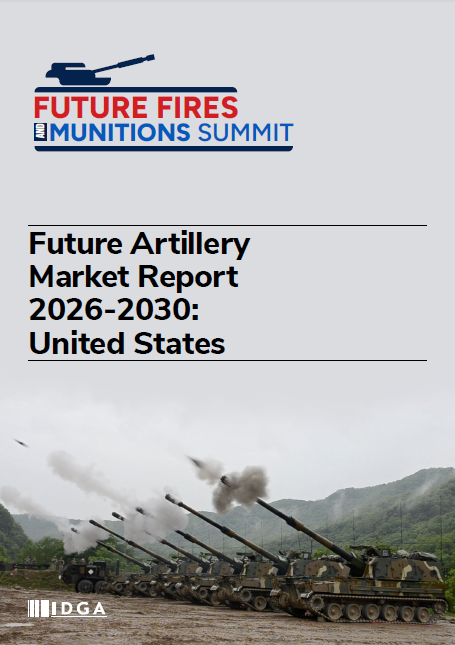
Future Artillery Market Report 2026-2030: United States
From 155mm ammunition procurement and next-generation targeting to long-range precision fires, rocket artillery and loitering munitions, the report provides a detailed view of the programs, investment priorities and technologies shaping U.S. fires modernization through 2030.
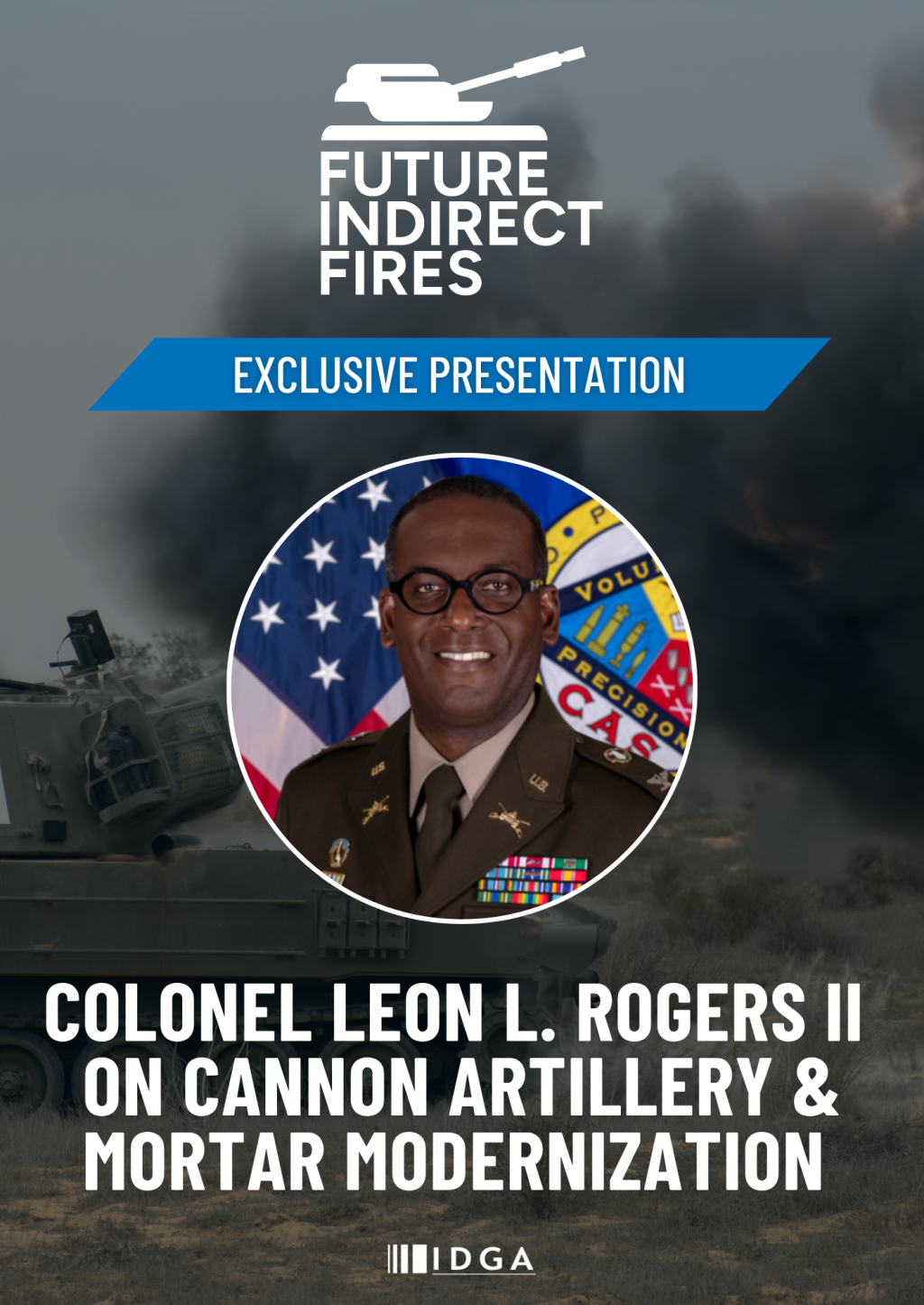
Cannon Artillery
& Mortar Modernization
Delivered by Colonel Leon Rogers II, Project Manager, Combat Ammunition Systems, JPEO Armaments & Ammunition, U.S. Army, this presentation highlighted efforts to boost survivability and mobility, delved into mortars modernization, and reinforced the strategic importance of tube-launched artillery in future combat.
Download the 2026 Post-Show Report
Wondering What's In Store?
IDGA’s 3rd annual Future Fires & Munitions Summit took place on January 27-28, 2026, at the Westin Hotel in Arlington, Virginia. The two-day event brought together leaders from across the indirect fires community to discuss the future of indirect fires and their pivotal role in ensuring mission success.
This year’s event focused on a range of topics that included long and short-range fires, self-propelled howitzer modernization, loitering munitions, testing, training, fires innovation, and more.
2027 is expected to be our biggest iteration yet! Download the post-show report to see what you could expect.
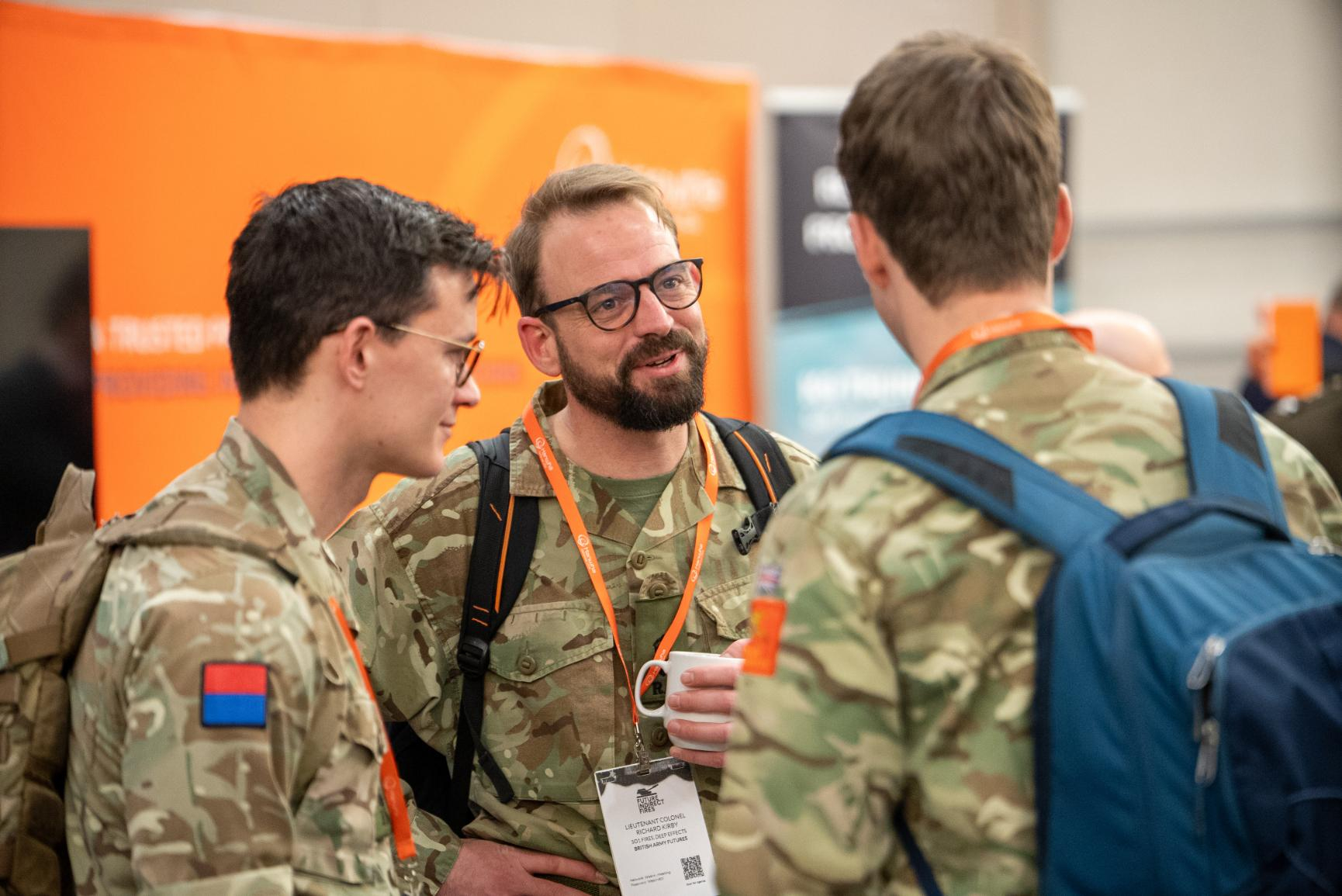
Event Highlights
Watch the 2026 Highlights Video
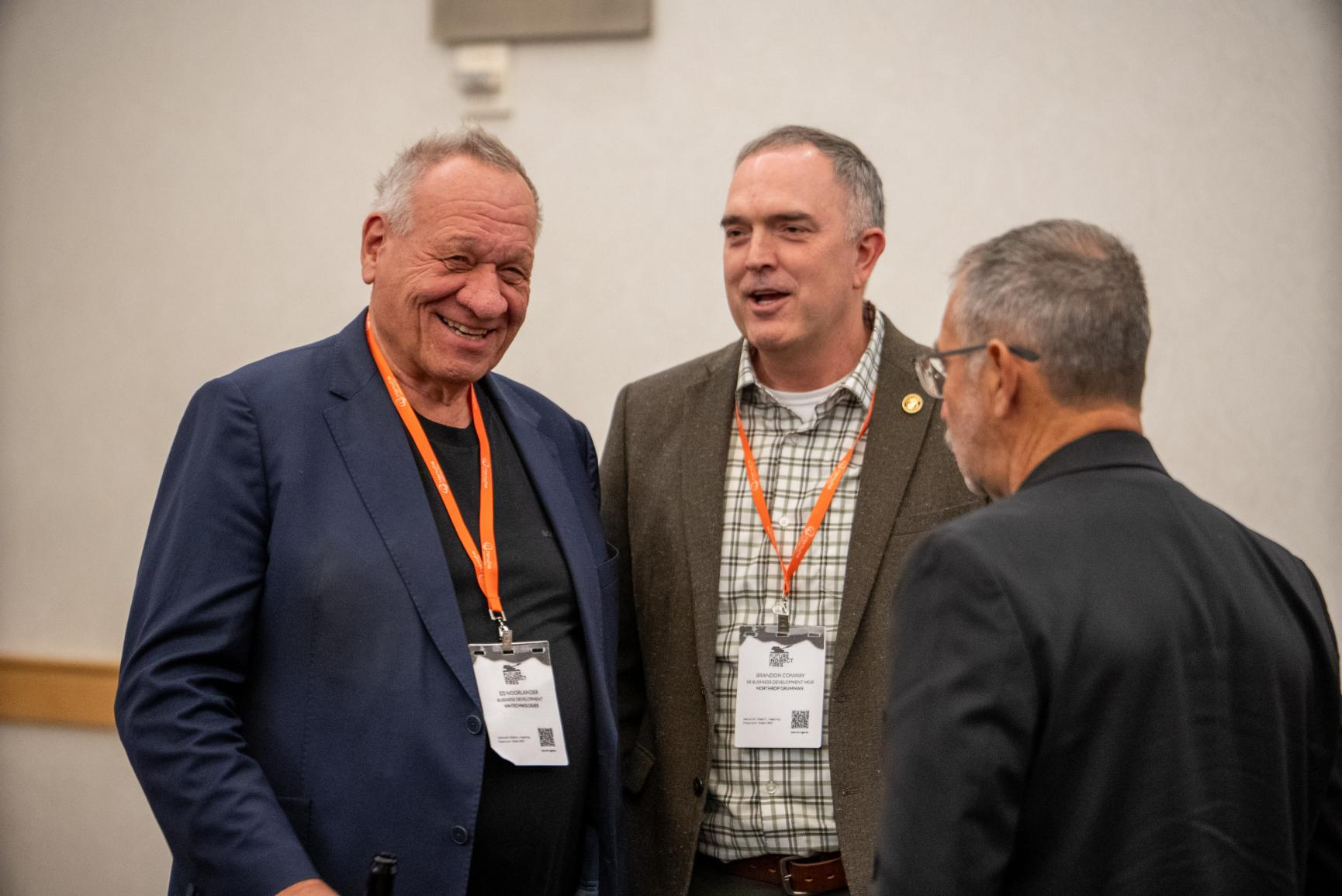
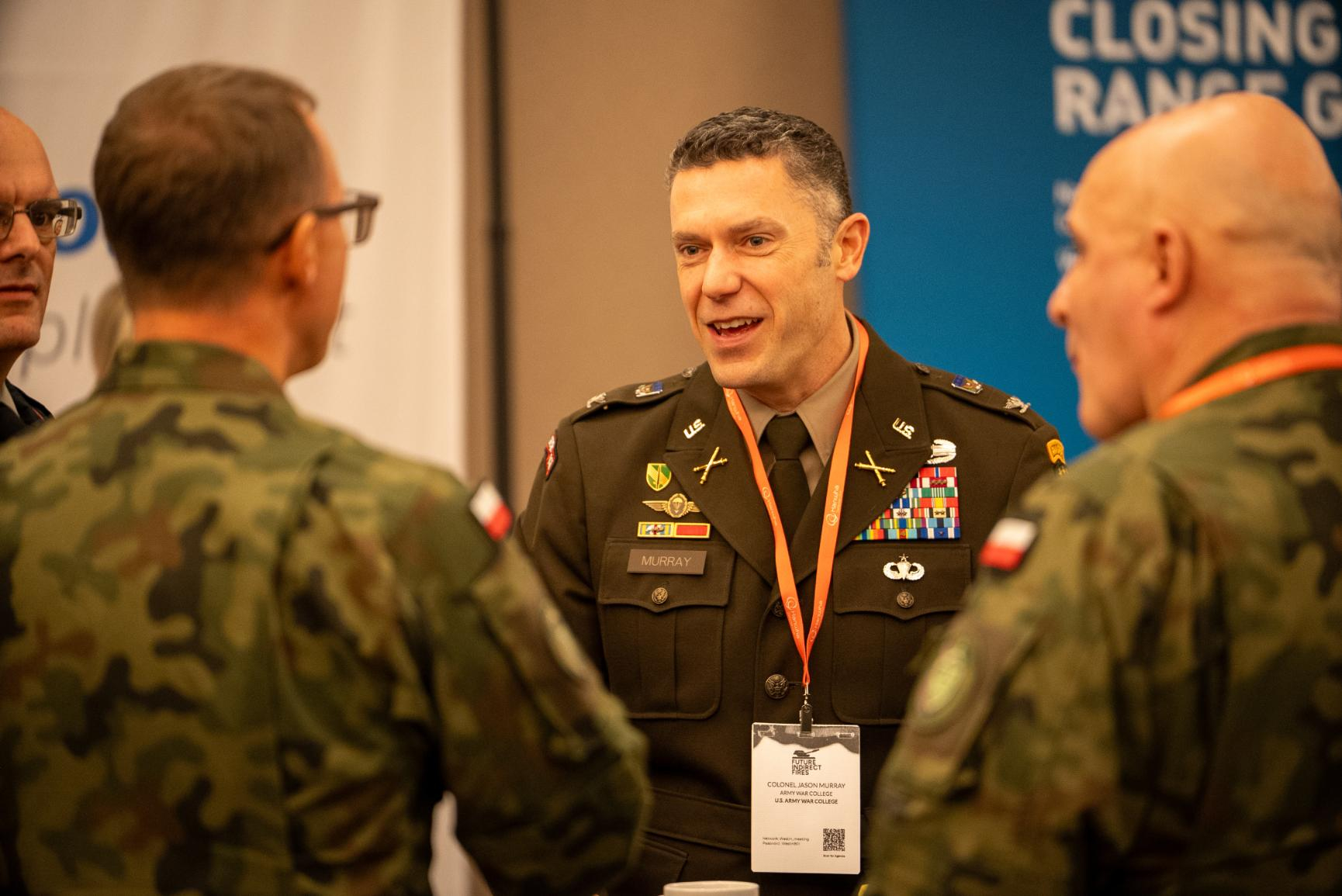
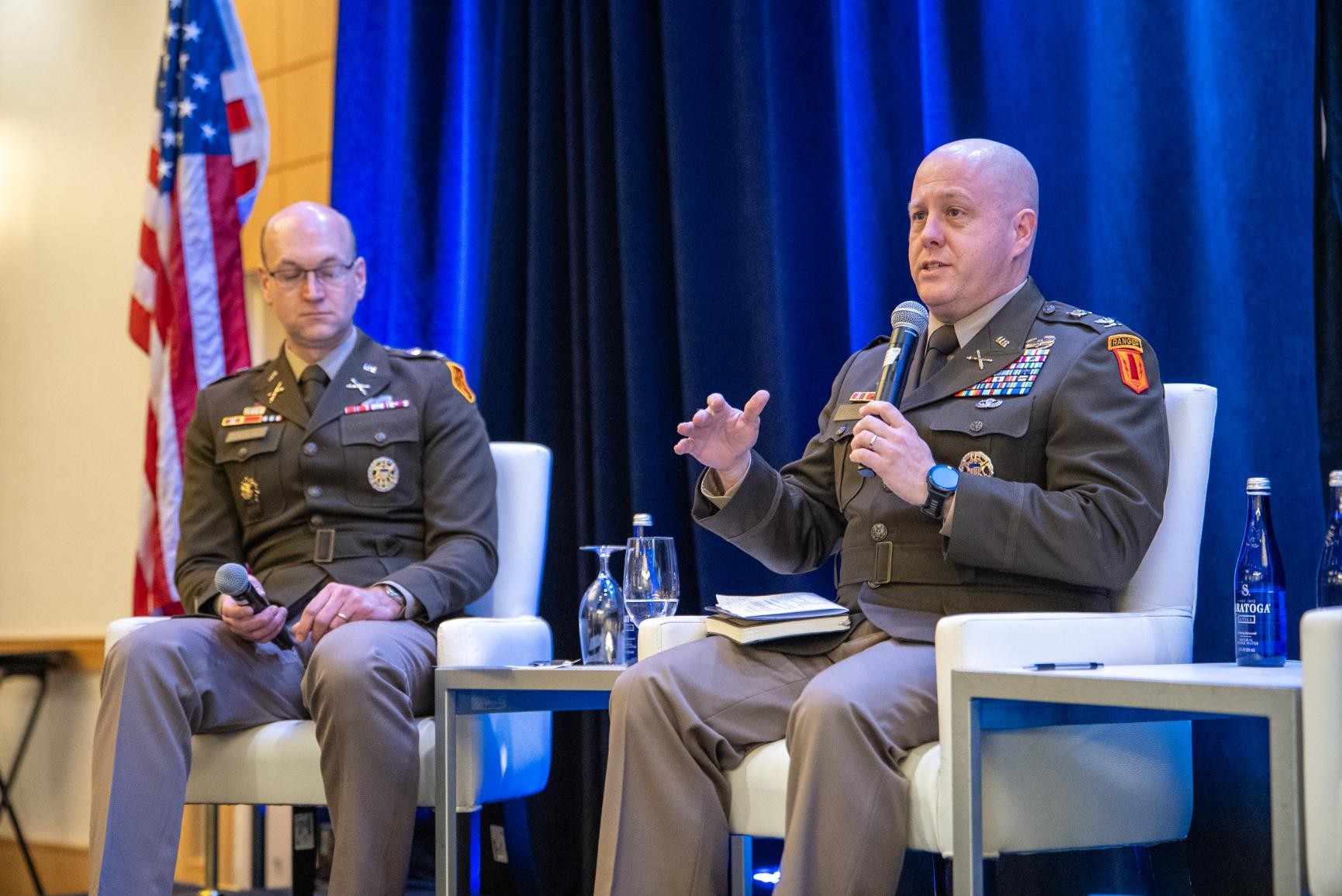
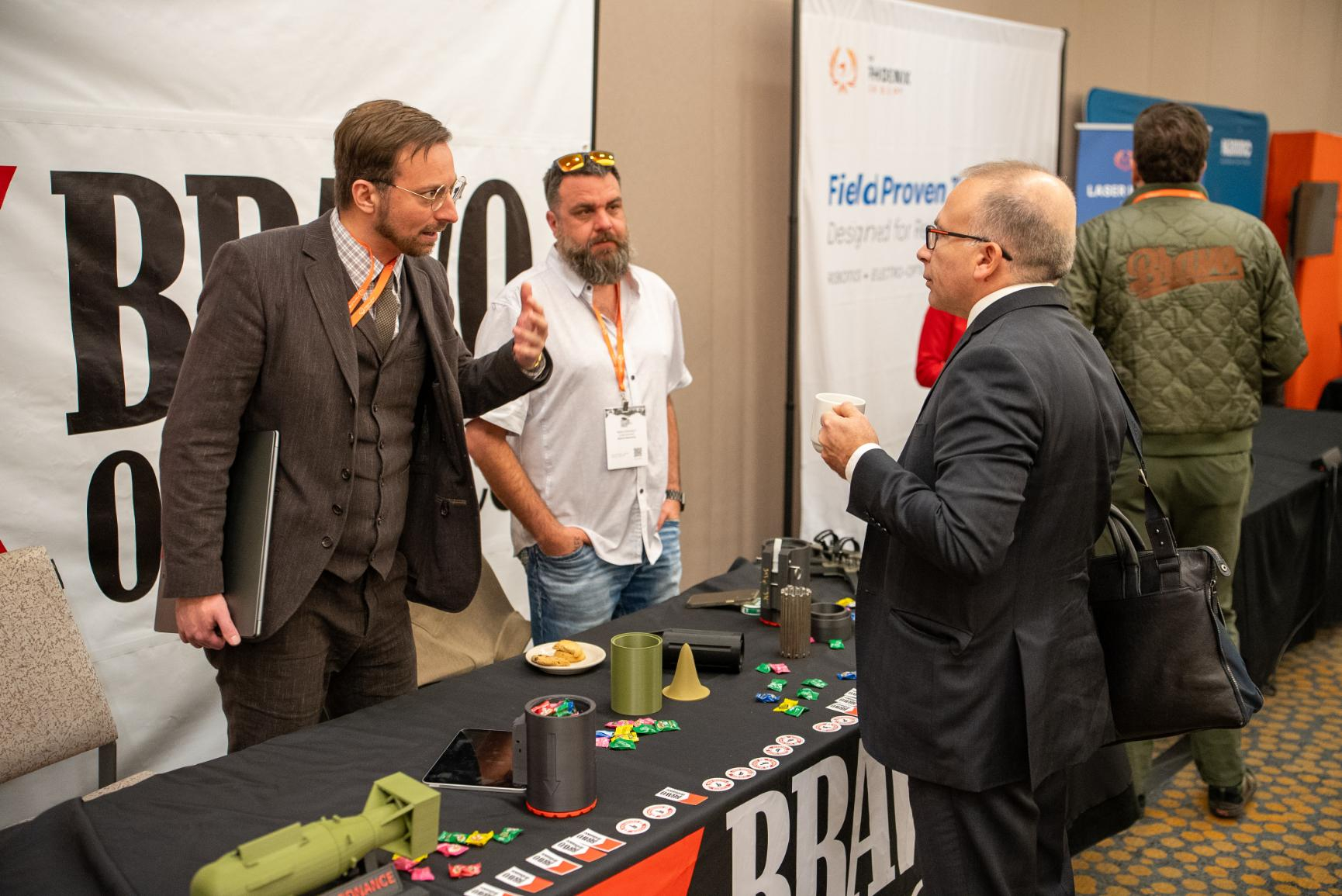
IDGA kicked off the 2026 event calendar with the annual Future Fires & Munitions Summit - our largest edition to date. Over 300 senior decision-makers and indirect fire experts gathered in Arlington, VA, for two days of strategic briefings, dynamic panel discussions, and invaluable networking opportunities. The summit’s program examined current US DoW programs, including the U.S. Army’s Self-Propelled Howitzer (SPH-M), Project LASSO, and the U.S. Marine Corps OPF-L Program, giving attendees the insights needed to anticipate change and adapt effectively.
Become A PARTNER
Partnership and Exhibition Opportunities
Partnership is the most effective solution to share your company’s idea to senior professionals from across the indirect fires industry, who are searching for actionable indirect fires solutions to their current business challenges.
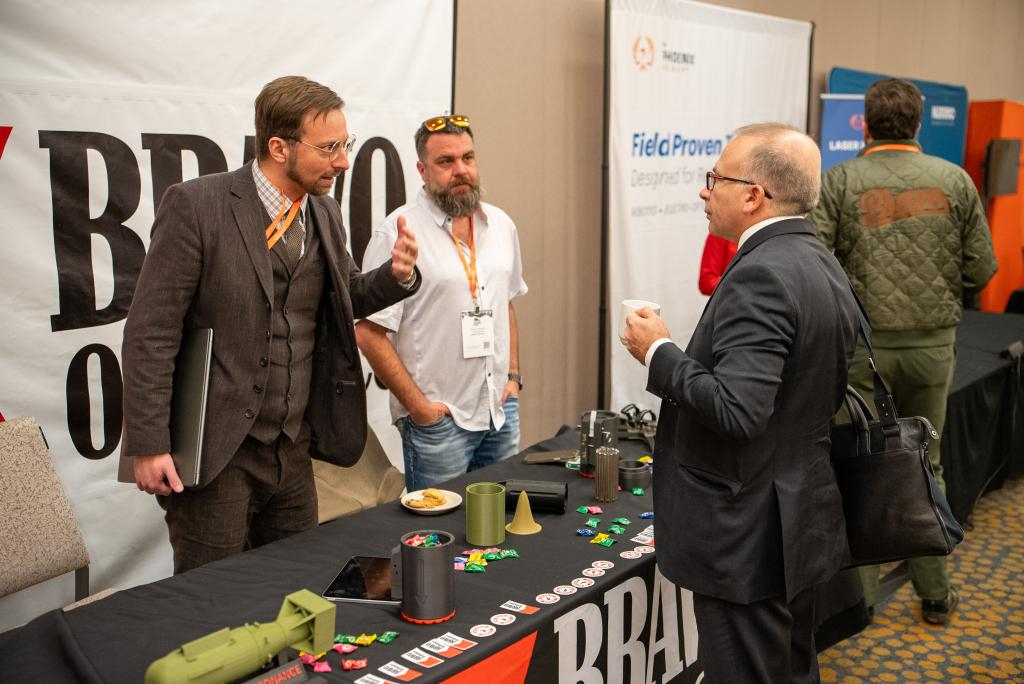
The Future Fires & Munitions Summit will be attended by senior officials and decision-makers from the indirect fires industry, bringing together buyers and suppliers in one location. With tailored networking, partners can achieve the face-to-face contact that overcrowded trade shows cannot deliver.
Testimonials
A Word From Our Attendees





In Partnership With:

QUESTIONS?
Contact us: +1 646 200 7515
Email: idga@idga.org

©2026 IQPC. All rights reserved.