01
Follow the mission
Hear how VA, VHA, DHA and wider healthcare stakeholders are approaching the changing needs of veterans across care delivery, technology and operations.
A partner's view of Veterans Healthcare Summit 2027
Get to know the community, mission priorities and recurring healthcare challenges that have shaped the Veterans Healthcare Summit — and continue to shape the conversation today.
Why Veterans Healthcare Summit?
VHS has spent two decades following the questions that matter to the veteran healthcare system: how care reaches veterans, how technology scales, how clinicians are supported, how facilities modernise and how government, healthcare and industry work together around implementation.
Hear how VA, VHA, DHA and wider healthcare stakeholders are approaching the changing needs of veterans across care delivery, technology and operations.
Track the shift from isolated pilots to scaled implementation across AI, digital health, EHR, telehealth, infrastructure and clinical innovation.
See how federal leadership, medical centres, state-level organisations, VSOs, healthcare providers and industry intersect around veteran care.
Twenty years of change
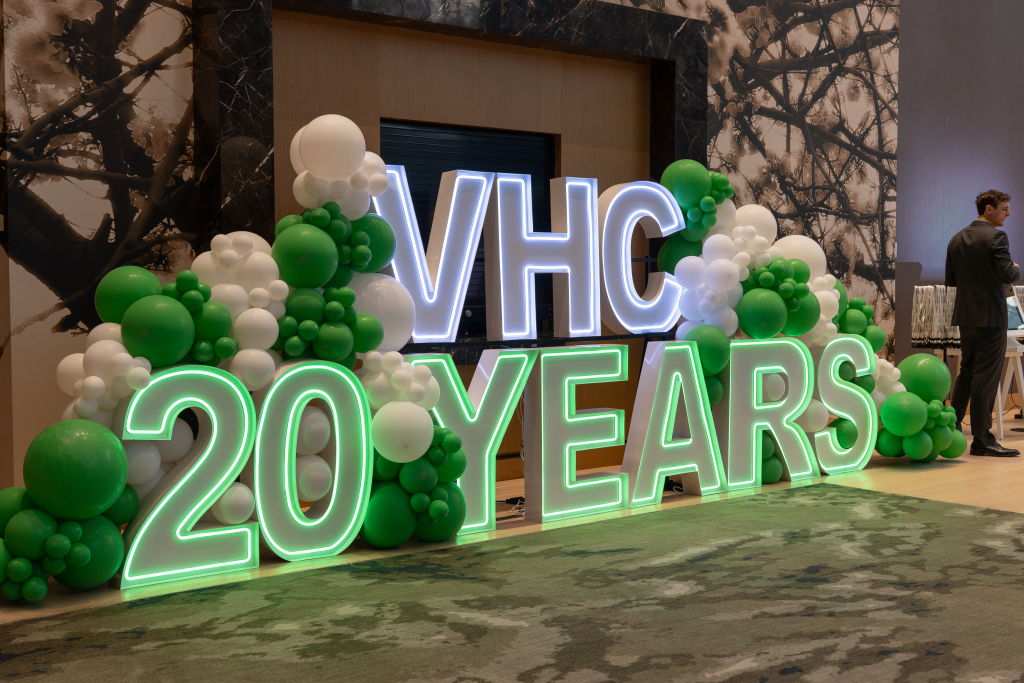
Looking back across two decades of VHS shows a useful pattern. Some technologies arrive, mature and scale. New policy and operational pressures emerge. But the conversation repeatedly returns to a handful of fundamentals: access, quality, workforce, infrastructure, patient experience and the ability to turn innovation into dependable care.
Infrastructure, early digital transformation, access and foundational health-system modernisation.
Enterprise AI, scaled digital care, precision medicine, resilient operations and increasingly connected delivery.
What twenty years tells us
The individual technologies evolve, but VHS's long-running themes can be read as five connected areas of healthcare change.
Infrastructure modernisation, EHR evolution, AI and precision medicine have become connected parts of one larger challenge: creating a health system capable of using technology at enterprise scale.
Telehealth, mental and behavioural health, prosthetics, rehabilitation, biomedical innovation and infectious-disease preparedness show just how broad the veteran-care mission has become.
Community care, patient experience, VSOs, state-level veterans organisations and medical centres increasingly sit inside the same conversation about how veterans navigate and experience care.
Physician burnout, fragmented workflows, workforce development and readiness all influence whether innovation genuinely improves the experience of clinicians and patients.
The final part of the picture is implementation: resilient supply chains, clearer acquisition pathways and a better shared understanding of how external capability can align with evolving VA requirements.
The direction of travel
One of the clearest threads running through recent VHS programmes is the move beyond proof-of-concept thinking. The questions are increasingly about enterprise execution: integration, workforce adoption, infrastructure, procurement, governance and the realities of delivering consistently across a national system.
Context becomes as important as capability.
For organisations working with federal healthcare, understanding where an initiative sits in the wider operating model can be every bit as valuable as understanding the technology requirement itself.
Who is in the conversation?
The report's later themes make one point particularly clear: improving veteran care depends on more than one institution. Federal leadership, VAMCs, state veterans organisations, VSOs, community providers and industry all hold different pieces of the puzzle.
Mission ownership, care delivery, enterprise operations and national modernisation priorities.
The local reality of implementation: clinicians, administrators, infrastructure and patient experience.
Outreach, advocacy, navigation and the community connections that help veterans engage with care.
Technology, healthcare delivery, research, specialist capability and the services required to turn strategy into operations.
How do the conversations work?
The value is in moving between perspectives: national strategy, clinical reality, operational constraints and practical solutions.
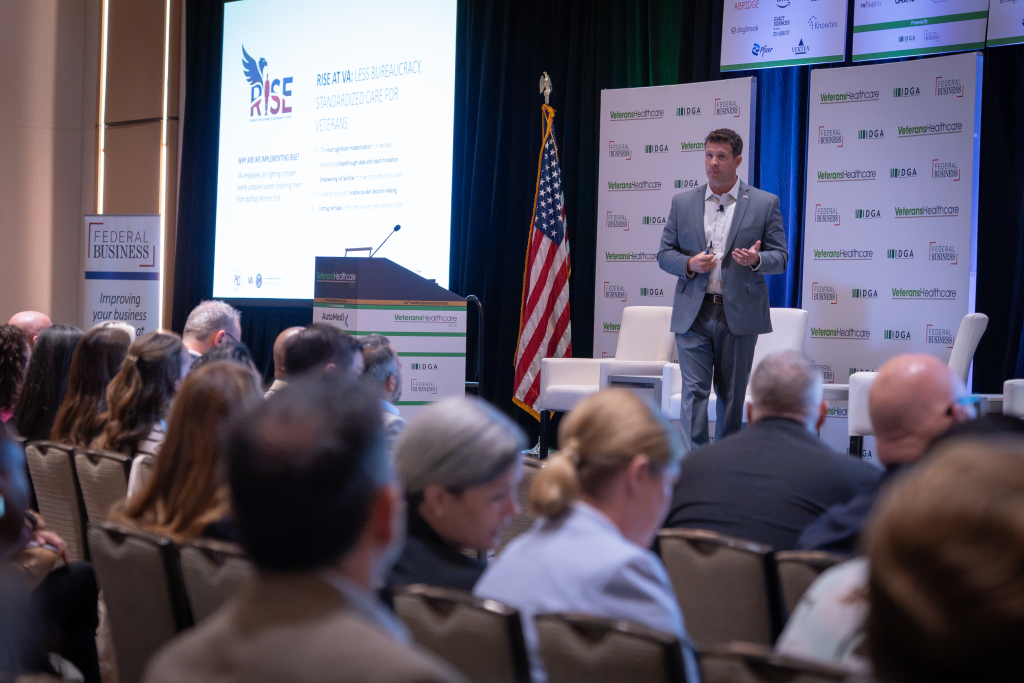
Senior briefings establish the mission priorities and operating pressures shaping veteran healthcare.
Focused discussions move from broad policy into specific clinical, technical and operational questions.
Perspectives from headquarters, medical centres, clinicians, providers and industry expose where implementation becomes difficult.
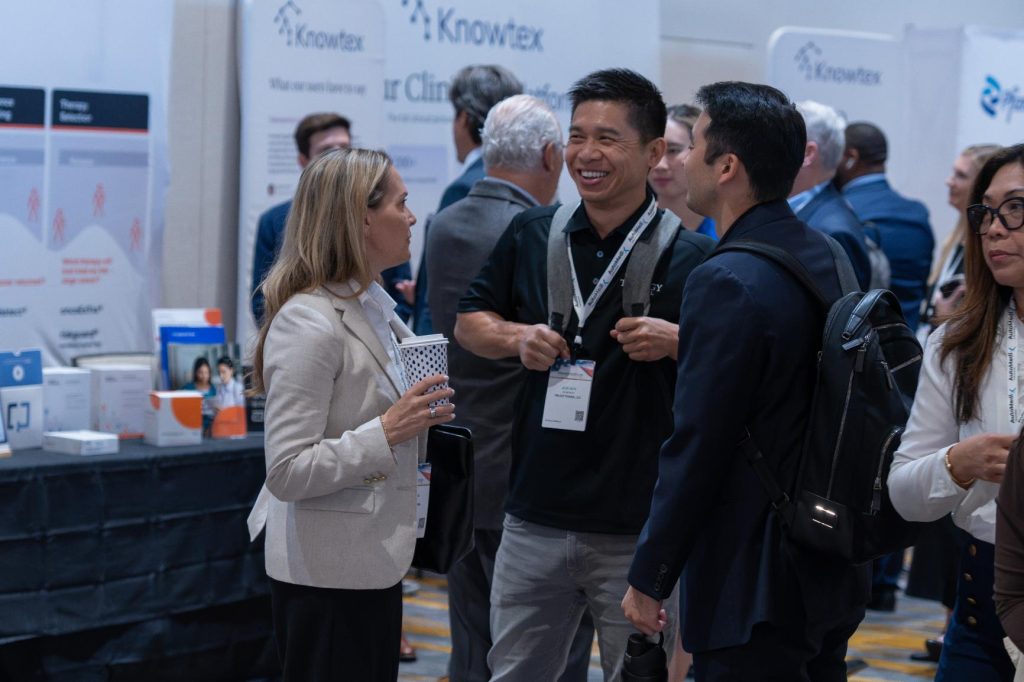
Networking gives those shared discussions somewhere to continue beyond the formal agenda.
What the community has said
“The Veteran’s Healthcare Summit did a good job bringing together key government and industry leaders to discuss the future of Veterans’ health care.”
“An excellent conference with a highly knowledgeable group deeply familiar with the VA. I would strongly recommend.”
“The IDGA conference always benefits our organization in myriad ways — understanding current thinking, understanding future strategy and personal and face-to-face networking and relationship building with the VA leaders that are vital to our business.”
Partnership opportunities
Explore the audience, engagement formats and partnership options available around Veterans Healthcare Summit 2027.
QUESTIONS?
Contact us: +1 646 200 7515
Email: idga@idga.org

©2026 IQPC. All rights reserved.