An Outlook on UAS: The Air Force Perspective
Posted: 11/19/2012 12:00:00 AM EST | 0
|
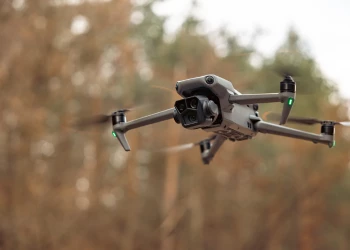
The Airforce has traditionally been the frontrunner in unmanned flight. The below highlights how UAS has developed in the decade plus of war. Featuring comments by LtCol Jeffery Patton, Commander, 9th Attack Squadron, US Air Force.
Over the past decade plus of war, how have you seen the usage and technologies of UAS change in terms of the Air Force?
The biggest change is the demand for RPAs because of the amazing capabilities it brings to the fight. The USAF mission set has expanded from strictly ISR to CAS, CSAR, and Strike Coordination and Reconnaissance. We've seen the number of combat CAPs grow exponentially with associated manpower which has created new career fields in the US Air Force. One of the biggest challenges is training the number operators and maintainers to fulfill that demand while maintaining the highest standards.
What do you see as the way forward with Air Force UAS in terms of the range of uses, autonomy, and integration with manned aircraft?
The possibilities are truly limitless, but I don't see RPAs without human interface in the near future. USAF crews are trained to respond and react to such a myriad of variables while they are operating RPAs and they are the ultimate decision makers. Future technology will augment crews with better information or feedback to make better decisions. Technology might also aid in certain critical phases of flight, such as recovery and landing. We are at such an early stage in the development of these systems and I look forward to the next decade of innovation.
Could you describe some of the early challenges the Air Force UAS platforms and how they overcame them?
The largest hurdle so far is providing the manpower to support the requirements of the combatant commanders. The Air Force has developed a robust training program to train previously rated aviators as well as student pilots in a new career field with a distinct set of wings. Our sensor operators originally cross trained from other career fields and the Air Force has now developed a basic sensor operator course for new airmen to enter the career field, which also has a unique set of wings.
-
Filling the Special Operations Forces Tool Box -
GAO Examines DoD's Supply Chain -
First Responders Combating the IED Threat -
Army’s 3 Focus Areas for Reducing Fuel Reliance -
The ‘Grey Haze’ of NAVSUP: Examining ERP and the Global Supply Chain -
An Outlook on UAS: The Air Force Perspective xxx -
Special Operations Forces Face Growing Problems in a Shrinking World xxx -
Adventure Therapy for Combat Stress Reaction? xxx -
When Cargo is Compromised: Civil Unrest, Piracy and Terrorism xxx -
Mobile Enterprise Solutions: Military vs. Commercial Capabilities xxx


Not a member? Sign Up
Reasons for Joining
Address your challenges through knowledge sharing with peers from our global network of specialists.
Benchmark your business initiatives with the who's who in the field.
Hear from industry pioneers how to maximize ROI in today's challenging economy.
And best of all It's FREE!