COL Chris Carlile, Director, Unmanned Air Systems Center of Excellence, on the Future of Unmanned Air Systems
Add bookmarkCOL Chris Carlile, Director, Unmanned Air Systems Center of Excellence, on the Future of Unmanned Air Systems
Add bookmark
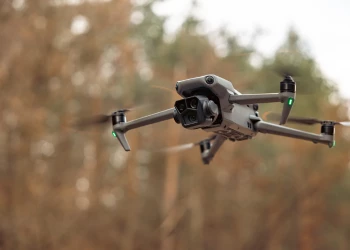
The United States military has always been on the cutting edge of technology, seen across many aspects of American combat power in operations Enduring Freedom and Iraqi Freedom. One such area that has experienced an enormous boom in production, fielding and deployment has been the unmanned arena.
The unmanned systems that are being utilized, from EOD operations to precision strike capabilities, have shown true force multipliers to Soldiers, Marines and special operation units on the ground. In supporting combat operations the unmanned air systems (UAS) that are being used have been key in some of the world’s most tactically difficult terrain to units in direct and in-direct contact. The UAS’s growth and diversity has also enabled units operating independent of larger operations assets to cover thousands of square miles of terrain otherwise unwatched.
Given the nature behind a counterinsurgency fight, the UAS capabilities in OEF and OIF have enabled commanders on the ground and tactically removed the freedom of maneuver to limit and mitigate unnecessary destruction and civilian deaths. This is an enormous part of General Stanley McChrystal’s overall strategy in Afghanistan and General Ray Odierno’s in Iraq. The surge of troops in Afghanistan has piqued the fear amongst both the American and Afghan population to more civilian deaths. However, the unique precision tenets involved with UAS operations directly aid in the fight against an extremely determined insurgent group.
Listen as Colonel Chris Carlile, the Director of the Unmanned Air Systems Center of Excellence, discusses the tactical employment of UAS downrange and how training and future outlook of unmanned air systems are shaping up.